Guides
Silver bullion guide: coins, rounds, bars, and care
Silver bullion guide covering common coins, rounds, and bars, plus storage, tarnish, inventory records, and resale planning for physical silver.
What to take away
- Silver's lower value per ounce makes fabrication, shipping, storage volume, and sale logistics unusually visible.
- Coins, rounds, bars, and older circulating silver answer different needs and should not share one premium assumption.
- Troy weight, fineness, and fine-silver content must be recorded separately.
- Tarnish and white spots are surface conditions, not automatic proof of lost silver content or counterfeit metal.
- Plan the receiving, inventory, storage, and exit process before buying a heavy quantity.
Silver bullion is silver acquired mainly for metal content. Retail forms include sovereign bullion coins, private rounds, minted bars, cast bars, and older circulating coins whose silver value exceeds face value. Their prices share a metal reference but differ in fabrication, recognition, condition, packaging, and demand.
This guide is educational. Silver prices can fall, and directly held metal produces no income by itself.
Understand fine content
Silver uses troy weight. One troy ounce is about 31.1035 grams. Fineness states the proportion of the item's mass that is silver. A 999-fine item is 99.9 percent silver; a 900-fine coin is 90 percent silver.
Use:
fine silver = gross weight x fineness
Do not assume that a coin marked one dollar contains a dollar's market value or that every item described as "one ounce" has the same legal, dimensional, or packaging specification. The U.S. Mint lists its American Eagle Silver Proof specifications as 99.9 percent silver, one troy ounce, 40.60 millimeters in diameter, and a reeded edge. That page covers the proof version, so its finish, mint mark, and presentation should not be transferred to an ordinary bullion-finish coin.
Retail bullion is one demand stream among several. The USGS silver commodity summary estimates 2025 domestic silver use at 25 percent electrical and electronics, 19 percent other industrial uses and photography, 18 percent net physical investment in bars, and 15 percent photovoltaics.
Coin and bar buyers compete with industrial users for refined output. That is part of why product availability and premiums do not move in step with the metal reference.
Know the main retail forms
Sovereign bullion coins
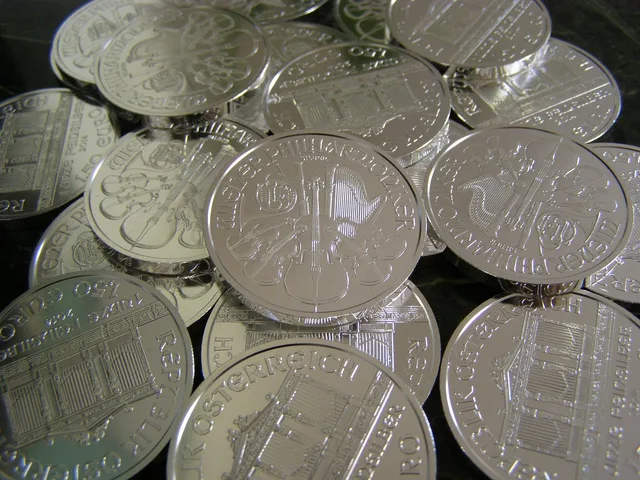
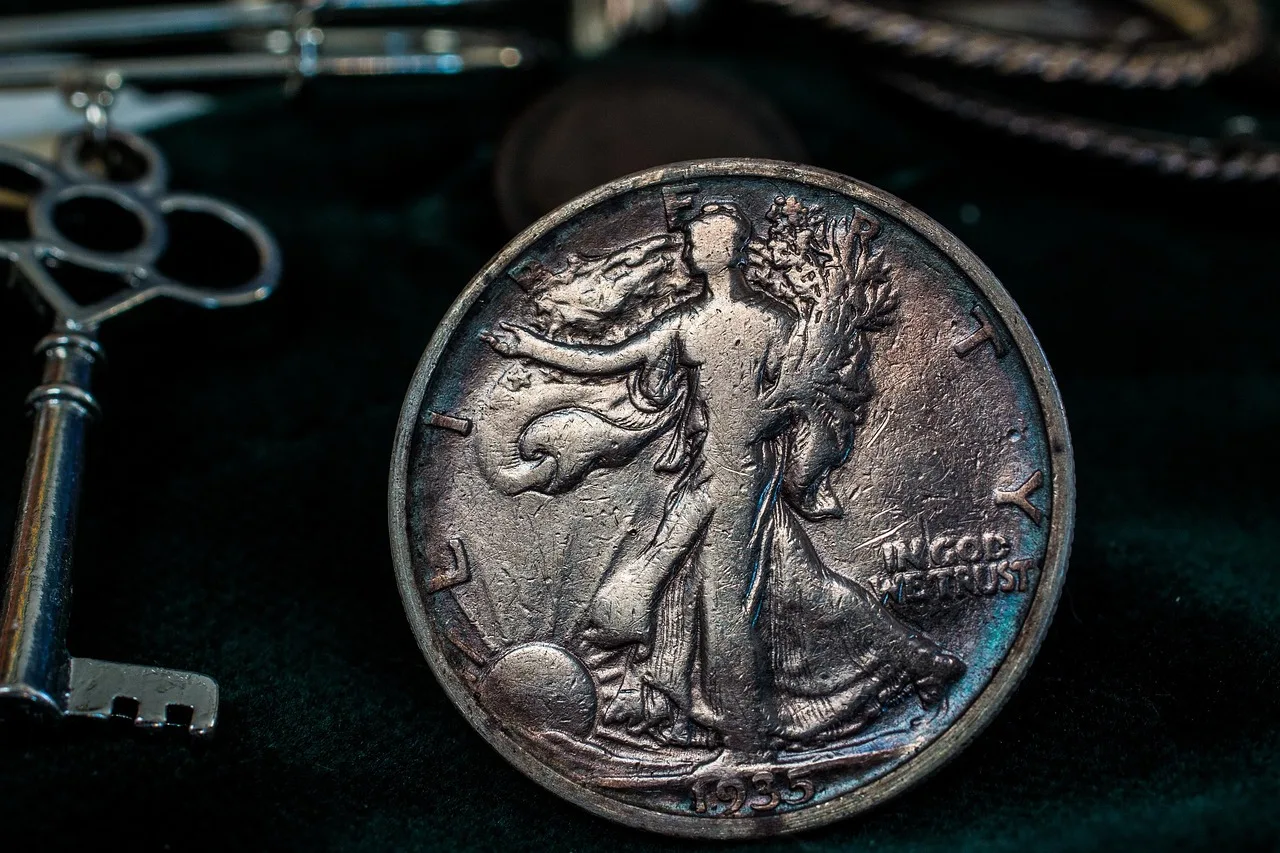
Government-issued bullion coins have a nominal face value and published designs. Common examples include the American Silver Eagle, Canadian Silver Maple Leaf, Austrian Silver Philharmonic, and British Silver Britannia. Familiarity may support resale, though it does not authenticate an individual coin or guarantee a premium. Special finishes and grades can move a coin into a collector market.
Private rounds
Rounds resemble coins but are privately produced and have no government denomination. Examples include one-ounce .999 fine rounds struck by Sunshine Minting, which carry a scannable MintMark SI security feature, and sold by major online dealers such as APMEX. They may provide a straightforward one-ounce format with a lower premium. Buyer recognition and bid depth depend on maker and market, and an unbranded round usually brings less than a recognized brand because the next buyer cannot verify it as easily.
Minted and cast bars
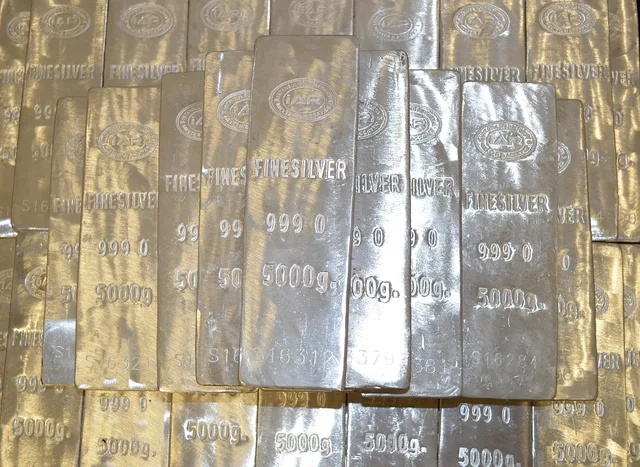
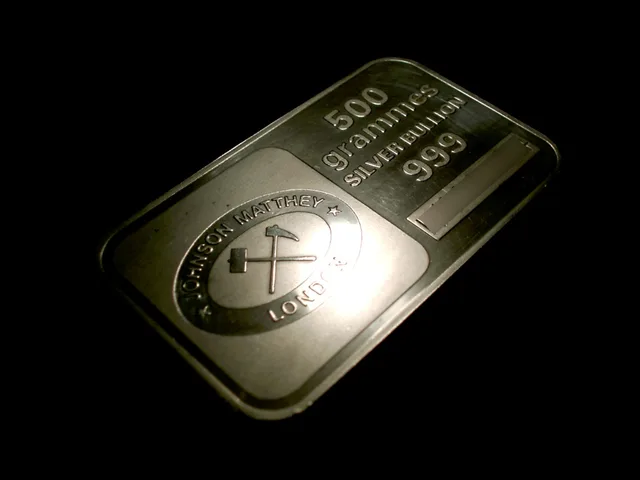
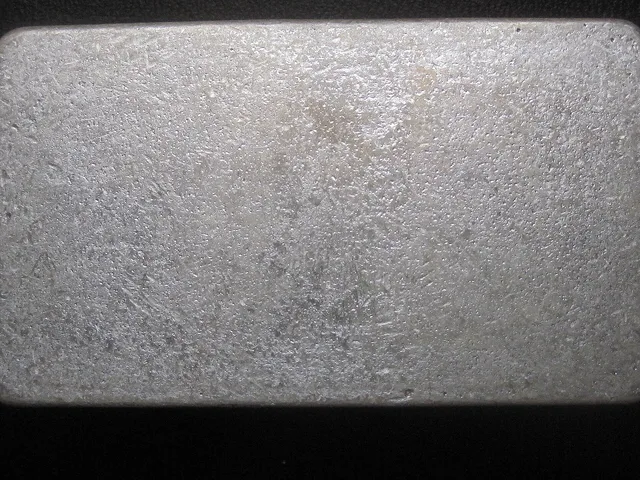
Minted bars usually have uniform surfaces and retail packaging, and common retail sizes are 1 ounce, 10 ounces, 100 grams, and 100 ounces, struck in .999 fine silver or finer. Common brands include PAMP Suisse, whose bars are sealed in CertiCard assay cards printed with a unique serial number; Valcambi, whose line includes 1-ounce, 10-ounce, 100-gram, and 100-by-1-gram CombiBar formats; and Johnson Matthey, whose 1-ounce, 10-ounce, and 100-ounce bars trade secondhand because its refining business became Asahi Refining. Cast bars show cooling and mold variation and are commonly poured in 10-ounce, 100-ounce, and 1,000-ounce sizes. Bars concentrate more ounces in one unit, which can lower fabrication cost but reduce divisibility, so keep the assay card or certificate with the bar; buyers discount loose bars and damaged packaging.
Older circulating silver
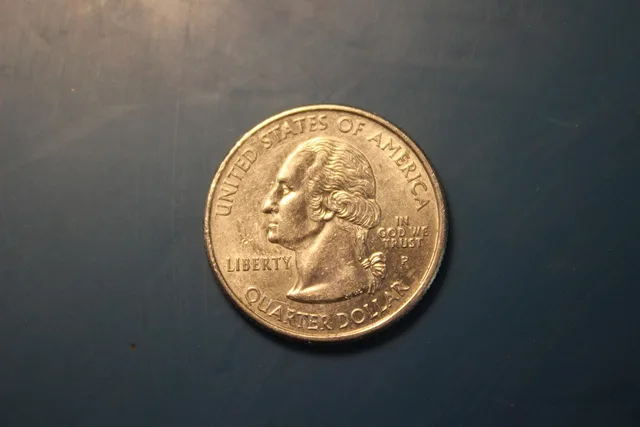
Some historical coins contain a known silver alloy and trade in bags or rolls. Wear, denomination mix, dates, and local terminology complicate fine-content calculations. Rare or collectible pieces should be separated before a bulk-metal sale.
Price the complete transaction
The metal reference is only the first layer. Record:
Price the Complete Transaction
- Spot source, value, timestamp, time zone
- Fine ounces and quantity
- Product price and quantity tier
- Payment fee or discount
- Tax, shipping, insurance, handling
- Storage supplies or account fees
- Current buyback and sale expenses
- Metal reference price per troy ounce.
- Dealer premium over that reference.
- Shipping, insurance, and signature or delivery fees.
- Sales tax that the seller applies.
- Payment-method fees or wire costs.
- Assay or verification costs on receipt.
- Storage, safe, or deposit-box costs.
- The dealer's buyback spread or bid discount.
Calculate delivered premium per fine ounce and as a percentage. Then calculate the gap between delivered purchase cost and an immediate net sale quote. A low unit price can lose its advantage when a heavy order requires expensive delivery or when a local buyer discounts that format. Premiums, shipping charges, and buyback spreads move with the product, the order size, the payment method, and the market, so work from the seller's itemized quote and your own arithmetic rather than a remembered percentage.
Account for storage volume
Silver occupies far more space than the same dollar value of gold at ordinary market relationships. A "monster box" of coins, a set of tubes, or multiple 100-ounce bars can be heavy enough to affect shelves, safes, lifting, shipping, and insurance.
Before ordering, check unit count, total gross weight, container dimensions, floor or shelf capacity, handling path, and whether the package can be moved without exposing it. Do not make a container so heavy that safe access requires an improvised lift.
Handle surface changes conservatively
Silver can tarnish when it reacts with sulfur-containing compounds. Modern coins can also develop white spots associated with manufacture. These conditions may change appearance or a collector bid without changing stated metal content.
Avoid casual polishing, dipping, erasing, or abrasive cloths. Cleaning removes or changes surface material and may reduce numismatic value. For ordinary bullion, ask prospective buyers how they price toned, spotted, scratched, or opened products before trying to improve them.
Store pieces in stable, clean materials. Inert holders such as Air-Tite capsules, polyethylene tubes, and acid-free boxes are common choices; anti-tarnish bags and boxes, anti-tarnish strips, and silica gel desiccant slow sulfur exposure. Keep sulfur-emitting rubber, some papers, wood products, household chemicals, moisture, and abrasive contact away. Handle coins by edges with suitable clean gloves when direct handling is necessary, and check a suspicious piece with a specific-gravity measurement, a magnet slide, an electronic precious-metal verifier, or an X-ray fluorescence reading at a refiner or coin shop before altering the surface.
Build a useful inventory
For each lot, record product, maker or mint, year, denomination, gross weight, fineness, fine content, count, serial, package, condition, acquisition date, seller, delivered cost, storage code, and photographs. Keep a secure backup apart from the silver.
Inventory codes should not reveal the storage location. Avoid public photographs of complete holdings, serials, labels, rooms, or access systems.
Prepare the exit
Ask two or more buyers for bids on the exact product, quantity, and condition. Dealer types include local coin shops, online bullion dealers, refiners, and auction houses. Learn whether they buy opened tubes, mixed dates, toned coins, loose bars, damaged assay cards, or older circulating silver. Record shipment, assay, minimum-lot, identity, and settlement terms.
The purchase premium belongs to the prior owner once paid. Future buyers will quote their own market. Treat recoverable premium as uncertain.
Tax and reporting rules depend on the transaction. In the United States, dealers may report certain large silver sales to the IRS on Form 1099-B, and state sales tax treatment varies by state and by product. Confirm the rules that apply before you buy or sell.
Common questions
Is silver cheaper to store because each ounce costs less than gold?
Not necessarily. A given dollar value usually requires much more weight and volume, which can raise storage and transport costs.
Does tarnish remove silver from a bullion item?
Tarnish is a surface reaction. Its appearance can affect marketability, but visible tarnish alone does not calculate total metal loss or authenticity.
Are private rounds coins?
No. They may look coin-like, but they are privately issued pieces without sovereign legal-tender status.
Should all old silver coins be sold as melt?
No. Separate pieces that may have numismatic value before treating a lot solely as metal.
In this guide
- How to receive, inventory, and store silver bullionSilver bullion receiving and storage method covering package evidence, counts, weights, condition, private inventory, safe materials, load, insurance, and access.
- Silver coins, rounds, bars, junk silver: pick by sale planChoose between silver coins, rounds, bars and junk silver by how you plan to sell: a 100-ounce worksheet, buyer questions and condition checks.
- Silver bullion purchase and condition checklistSilver bullion purchase checklist covering exact specifications, quote terms, package condition, counts, markings, security, measurements, surfaces, and records.
- Silver toning, milk spots, weight, and packaging problemsSilver bullion problems come from tarnish, milk spots, wrong counts, and heavy storage. Each has a check that settles it before you clean or sell.
- Building and selling a small silver position caseSilver bullion case tracing a fictional 60-ounce position through product choice, delivered premiums, inventory, storage, staged bids, sale costs, and records.