
Reviews
Part of Silver bullion guide: coins, rounds, bars, and care
Silver coins, rounds, bars, junk silver: pick by sale plan
Choose between silver coins, rounds, bars and junk silver by how you plan to sell: a 100-ounce worksheet, buyer questions and condition checks.
What to take away
- Decide how you will sell before you choose a format. The exit shapes the choice more than the label does.
- Put every format on one fine-silver target, then compare delivered cost and the bid you would receive.
- Larger bars suit one full sale. Smaller units suit staged sales.
- Older circulating silver suits small sales but needs sorting and a reference you trust.
- Ask each buyer how condition and packaging change the bid before you sell.
Silver formats can share the same fine-metal value while carrying different premiums and work. The silver bullion guide describes what each format is. The harder question is which one you can sell cleanly.
How each format leaves your hands
Each format has a natural exit. Coins and rounds leave as singles or tubes, bars leave whole, and old coins leave by the bag or as selected pieces. Match the exit to your likely sale size, and the format follows.
Silver Format Comparison
Sovereign coin
- Identity
- Government issue
- Strength
- Recognition
- Burden
- Higher premium
- Exit
- Coins or tubes
Private round
- Identity
- Privately issued
- Strength
- Simple retail unit
- Burden
- Recognition varies
- Exit
- Singles or tubes
Retail bar
- Identity
- Minted or cast
- Strength
- More ounces per unit
- Burden
- Concentrated value
- Exit
- Whole bar
Old circulating
- Identity
- Historic denomination
- Strength
- Small units
- Burden
- Wear and sorting
- Exit
- Bag or roll
| Format | Leaves as | What slows the sale | Fits a seller who |
|---|---|---|---|
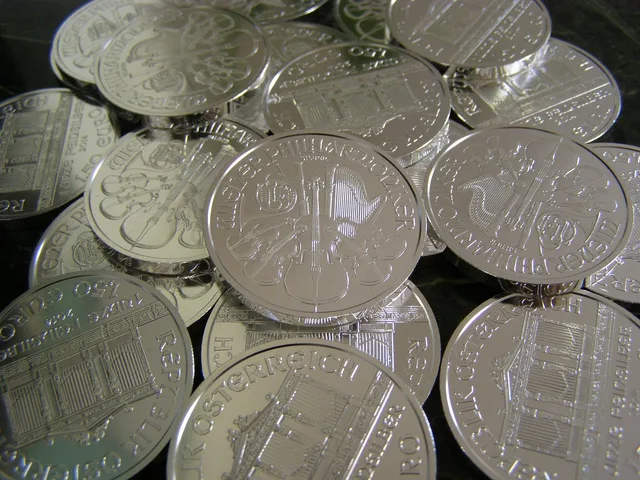
| Sovereign bullion coin | Individual coins or sealed tubes | Higher coin premium in some markets | Wants recognition and a published specification |
| Private round | Singles, tubes, or a mixed lot | Recognition varies by maker | Wants a simple retail unit from varied makers |
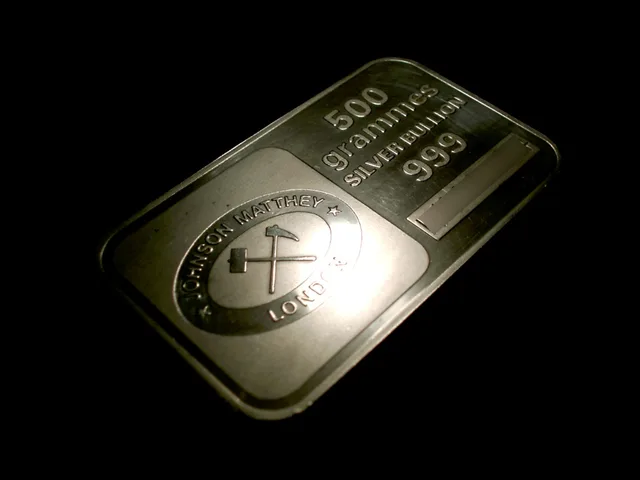
| Retail bar | The whole bar | Concentrated value and package issues | Expects one full liquidation |
| Older circulating silver | Face-value bag, roll, or selected coins | Wear, dates, alloy math, sorting | Sells in small units and can sort |
Names help the exit. The American Silver Eagle is struck only in the one-troy-ounce format and has a nominal face value of one dollar. A name alone never establishes a piece's condition, specification or resale bid.
Run the 100-ounce test
Pick one target, such as 100 fine troy ounces, and price every format against it. A shared target strips out the confusion of different unit sizes, so differences in cost, weight and effort show plainly.
For each format, work through these steps:
- Calculate fine-silver content per unit from the stated weight and fineness.
- Add up total delivered cost, including the quoted premium and any shipping, tax, or other charges.
- Divide to get delivered cost per fine troy ounce.
- Ask for the buyer's current bid and the expected proceeds for the same fine-silver amount.
- Note total weight, number of pieces, storage needs, and the effort to count or sort the format.
Compare 100 Fine Ounces
- Units required
- Fine content after alloy and quantity
- Delivered cost
- Premium per fine ounce
- Total gross weight and storage volume
- Counting and inspection time
- Best documented immediate net bid
- Minimum practical sale increment
A single 100-ounce bar might have the lowest premium, while ten ten-ounce bars allow staged sales. Five tubes of one-ounce coins may have stronger recognition but more pieces and a higher delivered price.
A bag of old coins may support small sales but require the most sorting. Treat each of these differences as a transaction term, not as proof that one option holds more silver.
Match the format to your selling plan
The buyer who expects one full liquidation may accept larger bars. Someone who may sell gradually may prefer smaller units. A person without a reliable old-coin reference may avoid mixed circulating lots.
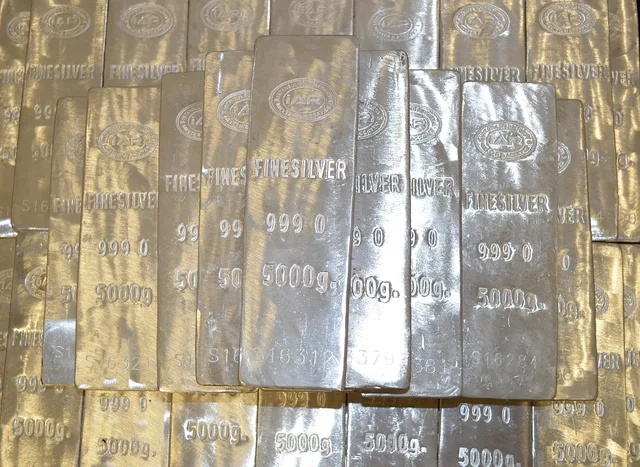
Large bars reduce the number of pieces to count and may reduce premium per ounce. They also make partial sales harder, can require specialized testing, and turn one handling accident into a larger exposure.
A local market with strong sovereign-coin bids may justify some of the added coin cost. Rounds can offer a lower-cost, divisible format, but buyers may price recognized refiners more strongly than obscure designs.
LBMA's summary of London Good Delivery gold and silver describes wholesale silver bars by large weight ranges, minimum fineness, marks, appearance, safe handling, and stacking. Those specifications do not apply automatically to a ten-ounce retail bar. Use the actual producer's specification for the retail product.
Junk silver: read the label before you price it
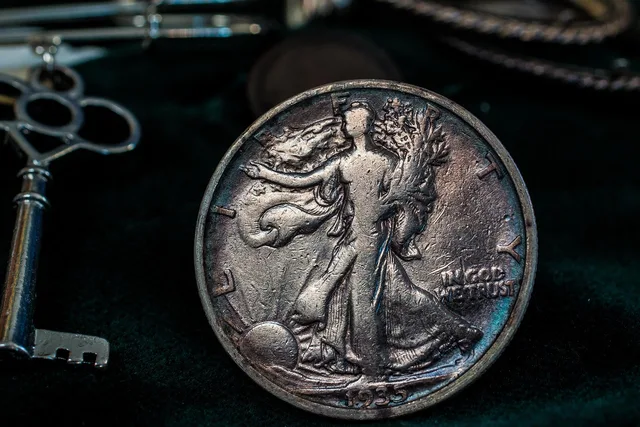
Junk silver is circulated coin traded mainly for metal content rather than rarity. The nickname hides differences among countries, dates, denominations and alloys. A seller should name the country and covered date range instead of relying on the label.
In the United States, junk silver commonly refers to circulated pre-1965 90% silver dimes, quarters, and half dollars. U.S. coin composition changes matter: newly issued dimes and quarters changed to non-silver clad compositions, while newly issued Kennedy half dollars contained 40% silver.
A face-value multiplier is a trade convention, not a physical assay. Heavily worn coins may contain less metal than an unworn statutory specification. Mixed lots can also hide base-metal dates or collectible pieces.
For a specific old-coin lot, use an official mint or numismatic reference that identifies composition by jurisdiction, denomination, and year. For older U.S. coins, consult U.S. Mint coin-history resources for the denomination and year in question.
Condition and packaging by format
For standard bullion, surface marks or toning may leave the metal bid unchanged but reduce a product premium. Collectible coins can lose more value from cleaning or contact. Opened tubes, cracked capsules, cut assay cards, and incomplete bags should be priced under actual buyer policy.
Inspect the maker, markings, weight, dimensions, edge, and any packaging before you judge condition. A round with an attractive theme is not automatically collectible, so check actual resale quotes before paying a design premium.
Questions to put to every buyer
Ask each prospective buyer the same questions, and compare the answers side by side:
- What exact product, maker, weight, and fineness does the quote cover?
- How is the offer calculated, and how is a circulated-coin lot counted?
- Does condition, packaging, or a particular year change the bid?
- Are any testing, handling, or delivery deductions excluded from the quoted amount?
Ask Buyers Before Selling
- Does toning change the bid?
- Must mint packaging remain intact?
- Are mixed years accepted?
- Is each bar tested, and who pays?
- Are older coins bought by face value, gross weight, or calculated fine content?
- Are any dates removed for numismatic review?
Retail-bar quotes should state whether the piece is newly made or secondary market, whether the maker is fixed or variable, and whether packaging or serial selection is included. A random-brand bar may be sound bullion while receiving a different bid from a named current product.
No format removes price, theft, seller, authentication, or recordkeeping risk. Product choice only changes how those risks appear.
Common questions
Are silver rounds legal-tender coins?
No. Private rounds can contain stated silver but do not carry a government denomination.
Does a 100-ounce bar contain exactly 100 fine ounces?
Check its specification, gross-weight convention, and fineness. Do not infer fine content from a casual title.
Is all old circulating silver worn equally?
No. Wear varies, and statutory compositions can change by country, denomination, and date.
Are wholesale Good Delivery bars suitable for most households?
Their size and institutional handling system differ sharply from common retail products. Suitability depends on custody, liquidity, verification, and financial circumstances.