
Maintenance
Part of Bullion formats guide: Coins, rounds and bars
Mint, Refiner and Hallmark Checklist: Reading Bullion Marks
A checklist for reading a bullion item's mint, refiner, hallmark, and serial marks, and for what list and accreditation claims do and do not prove.
What to take away
- Identify the legal mint or refinery and facility before interpreting its mark.
- A list entry for a producer does not certify every product bearing a similar logo.
- A brand logo, an assay mark, and a mint mark answer different questions.
- Serial format, date, assay stamp, fineness, and location should agree with the applicable specification.
- Package serials and bar serials must be recorded separately, even when expected to match.
Who made it: issuer identity
The first question a mark raises is who struck or cast the item. Record the legal organization, then separate a government mint, a private mint, a refinery, and a brand. A mark can only be read against the right issuer's reference.
- Legal organization name recorded
- Government mint, private mint, refinery, or brand distinguished
- Physical refinery or mint location identified where relevant
- Current and former logos separated
- Official product page or catalog archived
- Product number, year, size, and finish fixed
Hallmark and assay marks
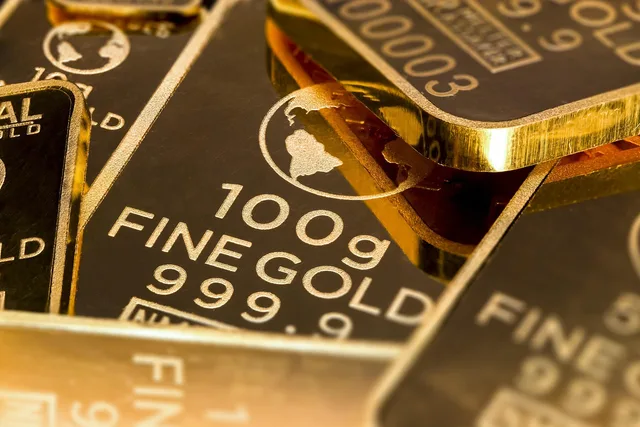
A hallmark's shape and text must match a reliable reference for the same issuer. An assay mark is not a brand logo, and neither one proves an item genuine. Read each mark against its own reference before you record it.
| Mark | What to record | What it does not show |
|---|---|---|
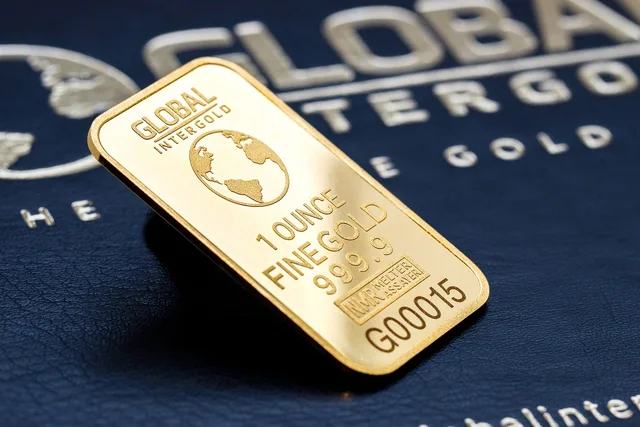
| Issuer logo | Organization, facility, current or former design | That every product with a similar logo is genuine |
| Assay mark | Shape and text matched to a reference | That the item is authentic |
| Fineness stamp | Format and digits as stamped | Composition on its own |
| Serial | Every character, prefix, suffix, and punctuation | Ownership, or protection from copying |
| Mint mark | Letter and position for the exact year | A universal rule, since a missing mark can be correct |
| List entry | List owner, list name, current or former status | That an individual retail item is genuine |
- Hallmark shape and text match a reliable reference
- Assay mark is not confused with a brand logo
- Metal name or symbol is present where specified
- Fineness format and digits match
- Weight and unit match the product
- Date code is decoded under the correct issuer system
- Marks appear on the specified face and orientation
For U.S. coins, cross-check the U.S. Mint's official issue information; PCGS CoinFacts and NGC Coin Explorer can serve as secondary references. For U.S. quality-mark context, consult the National Gold and Silver Stamping Act and the FTC's Guides for Jewelry, Precious Metals, and Pewter Industries.
Replicas have their own rule. The FTC's rules under the Hobby Protection Act require that an imitation numismatic item be plainly and permanently marked COPY. That marking rule is not a general rule for every replica bullion item, so check whether the item is a covered numismatic imitation.
Serial number: transcribe, then compare
Transcribe every character exactly, then compare the bar, card, certificate, and invoice numbers. A serial creates a record key. It does not prevent copying, prove composition, or establish lawful ownership by itself. Package serials and bar serials are recorded separately.
- Every character transcribed exactly
- Letter O and zero distinguished
- Letter I and numeral one distinguished
- Prefix, suffix, punctuation, and leading zeros retained
- Bar, card, certificate, and invoice numbers compared
- Duplicate serial within the holding investigated
- Public posting of complete serial avoided
- For PAMP, Perth Mint, Royal Canadian Mint, Engelhard, or Johnson Matthey products, compare the serial with product-era issuer documentation; formats vary, and there is no universal serial-format rule
Practices vary on duplicates, so an unexpected duplicate needs investigation. Record the maker, the product, and the date context. Share a serial only where necessary and through a trusted route, because public serials can expose inventory and aid copying.
Coin marks and mint-mark history
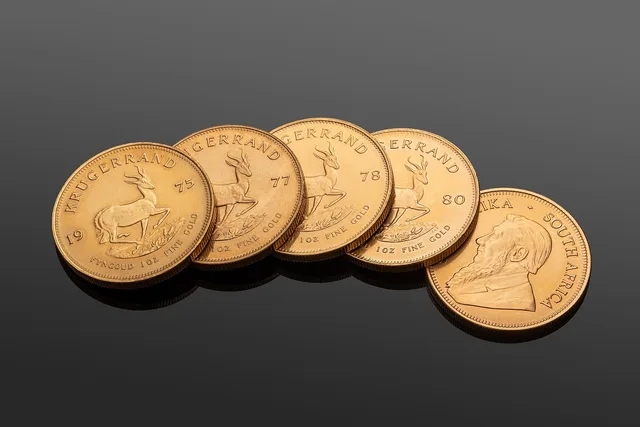
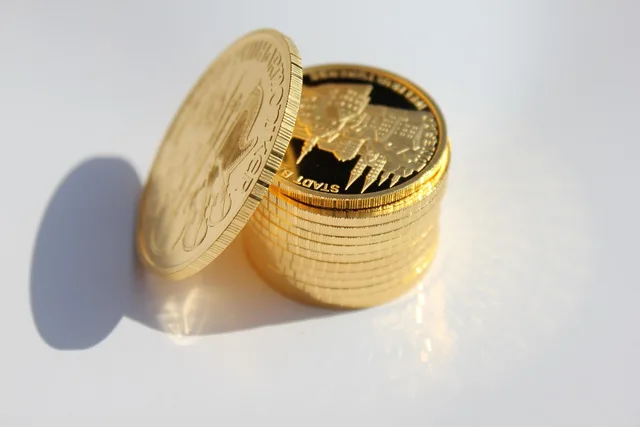
The U.S. Mint's mint-mark history explains that mint marks identify facilities and that their use and location have changed over time. For example, D identifies Denver, S identifies San Francisco, and W identifies West Point on issues where those marks are used.
A missing mark can be correct for one issue and wrong for another. Use the exact issue and year, not a general rule, and expect a privy mark only where the named issue carries one. Artist initials are not a mint mark, and proof and bullion marks should not be mixed.
- Mint mark location matches the year and version
- Privy mark is expected for the named issue
- Artist initials are not mistaken for a mint mark
- Denomination, date, inscriptions, edge, and rim agree
- Proof and bullion marks are not mixed
List and accreditation claims
LBMA's current technical specifications for Good Delivery bars require specified refiner, assay, fineness, serial, and manufacture-date marks and set rules for their clarity and placement. Those rules apply to qualifying wholesale bars, not automatically to retail products.
The named register is the LBMA Good Delivery List: check the relevant entry and record whether the refiner is listed as current, former, or suspended. For COMEX deliverability, check CME Group's approved brand lists for the applicable metal. Neither a list entry nor exchange approval authenticates a retail item.
- List owner and exact list name identified
- Metal, facility, brand mark, and effective dates checked
- Current, former, suspended, or transferred status recorded
- Wholesale accreditation not assigned to a small retail unit
- Responsible-sourcing claim kept separate from individual authentication
Keep the reading with its sources
Keep each mark reading together with its sources, so a later reader can repeat it. Save the listing, invoice, and payment proof beside the images, and note the official source title, product year or version, relevant entry, and access date.
- Listing, invoice, and payment proof
- Shipping label, receipt, and package images
- Official source title, product year or version, relevant entry, and access date
- Seller correspondence and remedy deadlines
- Acceptance, return, replacement, or quarantine outcome
When the marks disagree
Pause when a serial differs, the hallmark belongs to another facility, the date format is impossible, the metal symbol conflicts with the listing, or packaging appears replaced. Keep the complete order together and contact the seller in writing.
Common questions
Does an official-looking hallmark prove a bar is genuine?
No. It must agree with provenance, the product specification, measurements, package, and suitable testing.
Can two genuine bars share a serial?
Practices vary, but an unexpected duplicate requires investigation. Record the maker, product, and date context.
Is a missing mint mark always an error?
No. Use the U.S. Mint's mint-mark history and the exact issue and year. D, S, and W identify Denver, San Francisco, and West Point on issues where those marks are used; mark use and location vary.
Should I publish a serial to ask for help?
Share only what is necessary through a trusted route. Public serials can expose inventory and aid copying.