Guides
Buying and Storing Physical Silver: Costs, Taxes, Rules
What physical silver costs to buy and store, from dealer premiums to storage fees, plus federal collectibles tax and the FTC rules on purity claims.
What to take away
- Dealers in Albuquerque and Santa Fe quote silver at spot plus a premium, and New Mexico gross receipts tax is usually built into that final number rather than added at the counter.
- Storage choices split three waysa home safe, a bank safe deposit box, or a private vault. Each carries different insurance and access terms.
- Purity and weight claims on a silver bar are governed by the FTC Jewelry Guides, so a seller who misstates fineness is not just sloppy, they are exposed.
- Keep purchase records from day one. Reporting a sale later depends on a cost basis you can actually prove.
What a silver purchase actually costs
Spot price is the starting point, not the price. A dealer adds a premium that covers fabrication, shipping, and margin. On a one ounce American Silver Eagle, that premium has run anywhere from a few dollars to well over ten in recent years, depending on demand.
Premiums on generic rounds and 100 ounce bars are usually thinner than on government coins. The tradeoff is resale: Eagles and Maple Leafs move faster to retail buyers, while generic bars often sell closer to spot.
New Mexico does not levy a conventional sales tax. It levies gross receipts tax, and the seller is typically the one who owes it. That means the tax is normally inside the quoted price, not tacked on afterward.
Rates vary by location because local options stack on the state rate. Albuquerque, Santa Fe, and unincorporated county areas can all differ. The tax itself comes from New Mexico's Gross Receipts and Compensating Tax Act, and the New Mexico Taxation and Revenue Department publishes current rates.
Some states exempt precious metals from sales tax entirely. New Mexico is not one of them for most bullion transactions, so budget for it.
Storage options and what each one costs
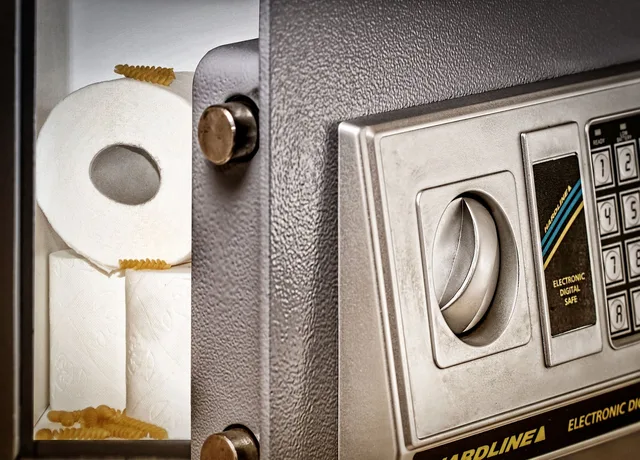
A home safe is the cheapest ongoing option and the least private. A mid-size gun safe rated for fire protection runs a few hundred to a couple thousand dollars, and bolting it down matters more than the brand.
A bank safe deposit box is inexpensive, often under a hundred dollars a year for a small box. The catch is access: branch hours, no after-hours entry, and contents are generally not insured by the bank.
Private vaults charge by size and typically include insurance and segregated storage. Expect annual fees that scale with the value stored, not just the space used.
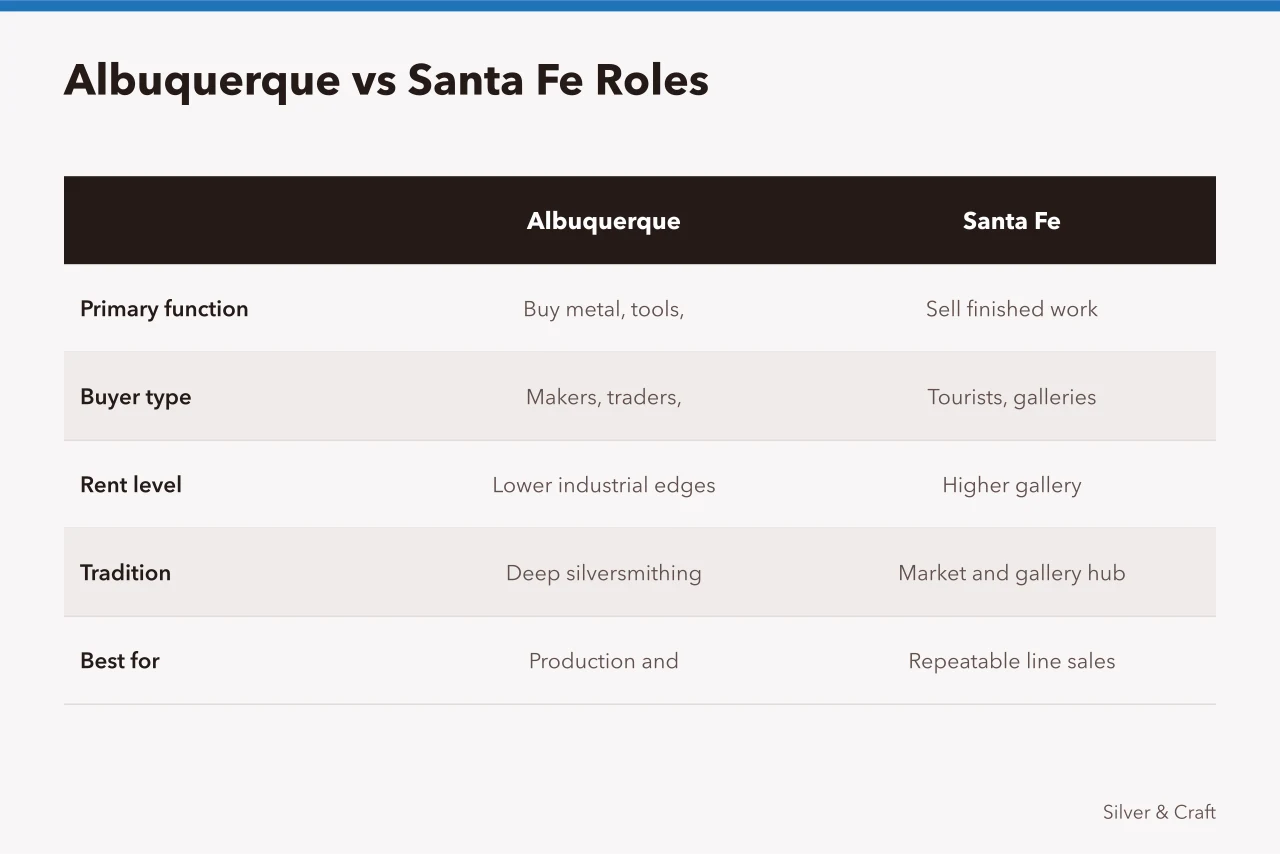
A side-by-side comparison helps before you commit, so weigh access, insurance, and total annual cost against the value you are storing.
Insurance, records, and access problems
Homeowner policies usually cap coverage for precious metals at a low threshold unless you add a rider. That rider requires an appraisal or a purchase receipt, which is why records matter before anything goes wrong.
A safe deposit box is not automatically insured. If the bank is robbed or the branch floods, reimbursement depends on the bank's own terms, which are often narrow.
Document what you hold. Photographs, weights, serial numbers where they exist, and purchase receipts form the file you will need for an insurance claim or a tax filing.
The failure modes are predictable: lost records, water damage, theft, and heirs who cannot access the box.
Purity claims, FTC rules, and reporting a sale
Silver sold to consumers carries implied claims about fineness and weight. The FTC Jewelry Guides set out what a seller may and may not say about precious metal content, and state attorneys general can act on violations.
When you sell, the gain is generally treated as a capital gain on collectibles, taxed at a higher rate than ordinary long-term gains. IRS Publication 544 covers the rules for sales and other dispositions of assets.
Dealers must file Form 8300 for cash payments over 10,000 dollars in a single transaction or related transactions. That threshold applies to bullion, not just currency.
Prepare before you sell. Cleaning a coin can destroy numismatic value, and separating lots incorrectly can complicate your basis. Keep the metal and the records together until the sale closes, because that pairing is what settles both an insurance claim and a cost basis.
Example: a 10 ounce purchase, line by line
Say spot is 30 dollars an ounce and a dealer quotes a 2 dollar premium on a 10 ounce bar. Metal cost is 300 dollars, premium is 20, and gross receipts tax at a local rate of roughly 7.5 percent adds about 24 dollars. Total is near 344 dollars.
If you later sell at spot with no premium, you clear 300 dollars before any dealer fee. The 44 dollars you paid above spot is the real cost of the round trip, and it is the number to compare across dealers.
Common questions
Does New Mexico charge sales tax on silver bullion?
New Mexico levies gross receipts tax rather than a conventional sales tax, and most bullion sales are taxable. The seller usually owes it and typically builds it into the quoted price.
Is a bank safe deposit box a good place for silver?
It is cheap and reasonably secure, but access is limited to branch hours and the bank does not insure the contents. Read the box agreement before assuming coverage.
How is a silver sale taxed federally?
Gains on silver are generally taxed as collectibles, which carries a higher long-term rate than ordinary capital gains. You report the sale using your cost basis and the sale proceeds.
Do dealers have to report large cash purchases?
Yes. A dealer must file Form 8300 for cash payments over 10,000 dollars, whether in one transaction or several related ones.
Before any large purchase, settle storage, insurance, and access details in writing so the paperwork is done before the metal arrives.