Rules
Part of Bullion formats guide: Coins, rounds and bars
Bullion marking problems: 10 common errors and fixes
Bullion marking problems can start with denomination, fineness, assay cards, or packaging. Review ten common errors and fixes for bullion records.
What to take away
Bullion marking problems often start when a stamp, certificate, or package label is treated as proof of something it does not establish. Separate the mark itself from the claims and records attached to it.
- Face value, gross weight, fine weight, fineness, and market price are separate fields.
- An assay statement describes a claimed test or result; it does not make packaging impossible to alter.
- Jewelry marking rules and bullion product specifications serve different markets.
- Producer accreditation has a narrower scope than many sales listings imply.
- Correct errors in the worksheet before drawing conclusions about the item.
Problem 1: face value becomes valuation
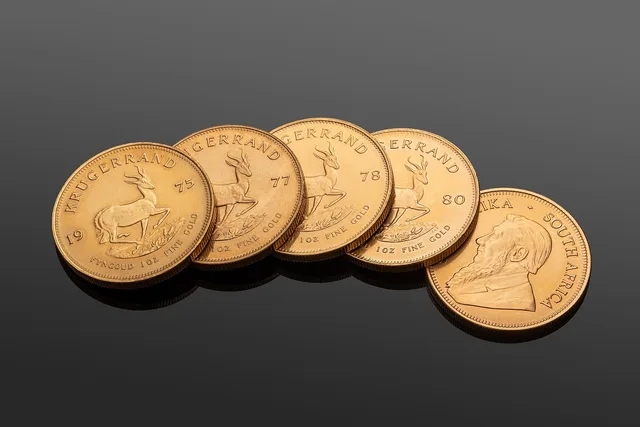
A one-ounce coin marked $50 is priced as though the denomination sets its bullion value. In ordinary bullion trading, metal reference and product premium drive the quote.
Fix
Record denomination for identity and legal status. Calculate value from fine content and a dated metal reference.
Problem 2: fineness becomes weight
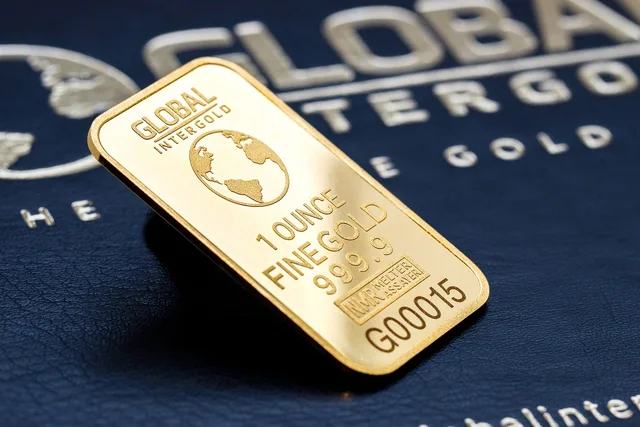
The digits 999.9 are read as grams or treated as one troy ounce. They normally express 999.9 parts precious metal per thousand parts gross mass.
Fix
Create separate gross-weight, fineness, and fine-content cells. Label units and source.
Problem 3: karat and millesimal fineness are mixed
Gold jewelry may use 14K or 18K, while bullion often uses 916.7 or 999.9 fineness. The FTC's precious-metal Jewelry Guides address truthful claims about metal content, quality, weight, and related product facts. Their jewelry context should not replace a named bullion specification.
Fix
Convert only when needed and keep the original mark. Use the product's governing standard and issuer source.
Do not transfer jewelry terms such as solid, plated, filled, or overlay to a bullion bar without evidence. A surface application and a product claimed to be refined metal throughout present different composition questions, test limits, and resale markets. Describe only what the listing and examination support.
Problem 4: an assay card is treated as an assay report
A retail card may state weight, fineness, maker, and serial. It may not disclose method, sample, uncertainty, laboratory, date, or raw result.
Fix
Describe it accurately as producer packaging or certificate unless it supplies a formal report. Combine it with provenance and suitable examination.
Problem 5: every bar from a listed refiner is called Good Delivery
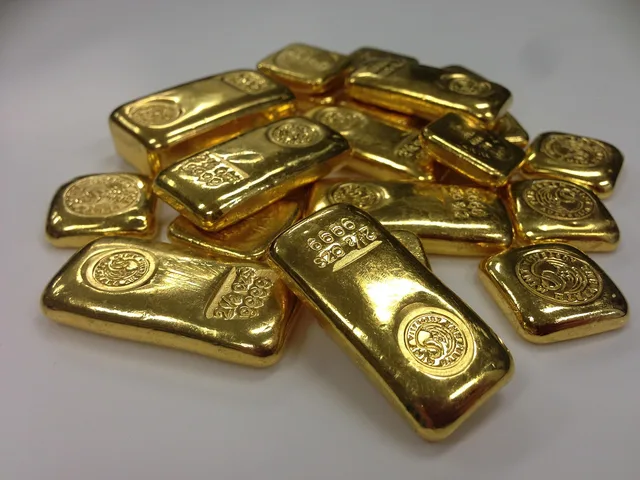
LBMA's Good Delivery frequently asked questions says kilobars, 100-ounce bars, and smaller bars are not acceptable in the London wholesale market merely because a listed refiner made them. Retail products can be genuine without that status.
Fix
State producer list status and individual-product status separately. Remove unsupported logos or wording from the decision record.
Problem 6: package serial and bar serial differ
The discrepancy may come from fulfillment, record error, reuse, or substitution. It cannot be resolved by choosing the number that looks more plausible.
Fix
Photograph both in context, quarantine the order, preserve deadlines, and request a written remedy or independent examination.
Problem 7: a nominal weight is treated as an exact reading
A product may publish minimum weight, nominal weight, or a tolerance. Instrument resolution and packaging also matter.
Fix
Record the stated convention, acceptable range, bare or packaged state, and scale uncertainty. Repeat unexpected readings without altering the product.
Problem 8: a certificate is detached from the item
A loose certificate may no longer link reliably to a specific coin or bar, especially when it lacks a serial or detailed photograph.
Fix
Preserve custody and package relationships. Price the detached certificate as supporting material, not conclusive identity evidence.
Problem 9: mint mark, hallmark, and privy mark are merged
A mint mark can identify a facility, a hallmark a producer or assayer, and a privy mark a special issue. Their location and meaning depend on product.
Fix
Use exact terminology and map every expected mark to a reliable source and physical location.
Problem 10: an online specification is undated
The page may now show a later portrait, edge, package, or security feature.
Fix
Save page date, product number, access date, and archived copy. Never apply a current feature backward without evidence.
Common questions
Does 24K always equal 999.9 fineness?
Both indicate very high gold purity, but use the product's stated convention and specification rather than assuming exact equivalence.
Is an assay card worthless?
No. It can be useful identity and custody evidence. It is not sufficient by itself.
Does face value protect the metal price?
No. Legal-tender status does not guarantee a bullion resale price.
Can a retail bar be genuine without Good Delivery status?
Yes. Wholesale Good Delivery scope and retail authenticity are different questions.