Guides
Bullion formats guide: Coins, rounds and bars
Bullion formats guide to sovereign coins, private rounds, minted bars and cast bars, explaining weight, fineness, markings, and product specifications.
The quote sheet leaves the choice open
Maya receives a dealer quote sheet naming a sovereign coin, a private round, a minted bar, and a cast bar.
She cannot choose from shape alone, so she opens the exact listings and postpones any decision until she can distinguish what each seller claims from what the physical item can support.
Her first check is the identity of each listed item. The product specification describes a particular product, not every object made by the same issuer, so Maya records its name, version, finish, package, and stated standard before comparing details.
She keeps the quoted price beside, rather than in place of, the product description. The listing needs to match the item she is considering, including its year or version and package. This gives her a stable basis for checking a coin against a round or one bar against another.
Before comparing measurements, Maya notes that bullion listings use troy ounces rather than household ounces and checks the distinction in the physical metals guide. She keeps gross mass, fineness, and fine content in separate fields, since each answers a different question about the item.
Troy vs Avoirdupois Ounce
Troy ounce
- Grains
- 480
- Grams
- 31.1035
- Use
- Precious metals
Avoirdupois ounce
- Grains
- 437.5
- Grams
- 28.35
- Use
- Household goods
To check the unit context, Maya consults NIST Handbook 44's unit tables and device requirements. The reference addresses weighing and measuring devices within its stated scope, not authentication or certification of the bullion on her quote sheet, so she records it as a measurement source only.
She calculates each product's fine metal amount from its gross mass and fineness, following the gold buying calculation. The calculation does not replace checking the actual item, but it lets Maya compare metal claims without treating gross mass, purity, and fine content as interchangeable.
Production gives the labels meaning
Maya next checks what each format name means in practice. She compares the coin, round, and bar descriptions with a bullion format comparison, then looks for features and production details appropriate to the specific item rather than expecting every format to look alike.
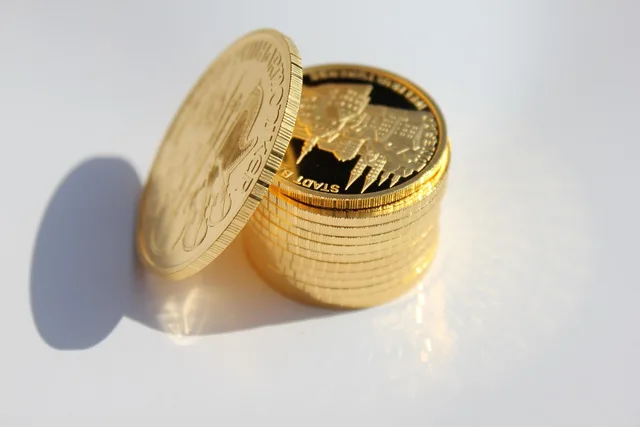
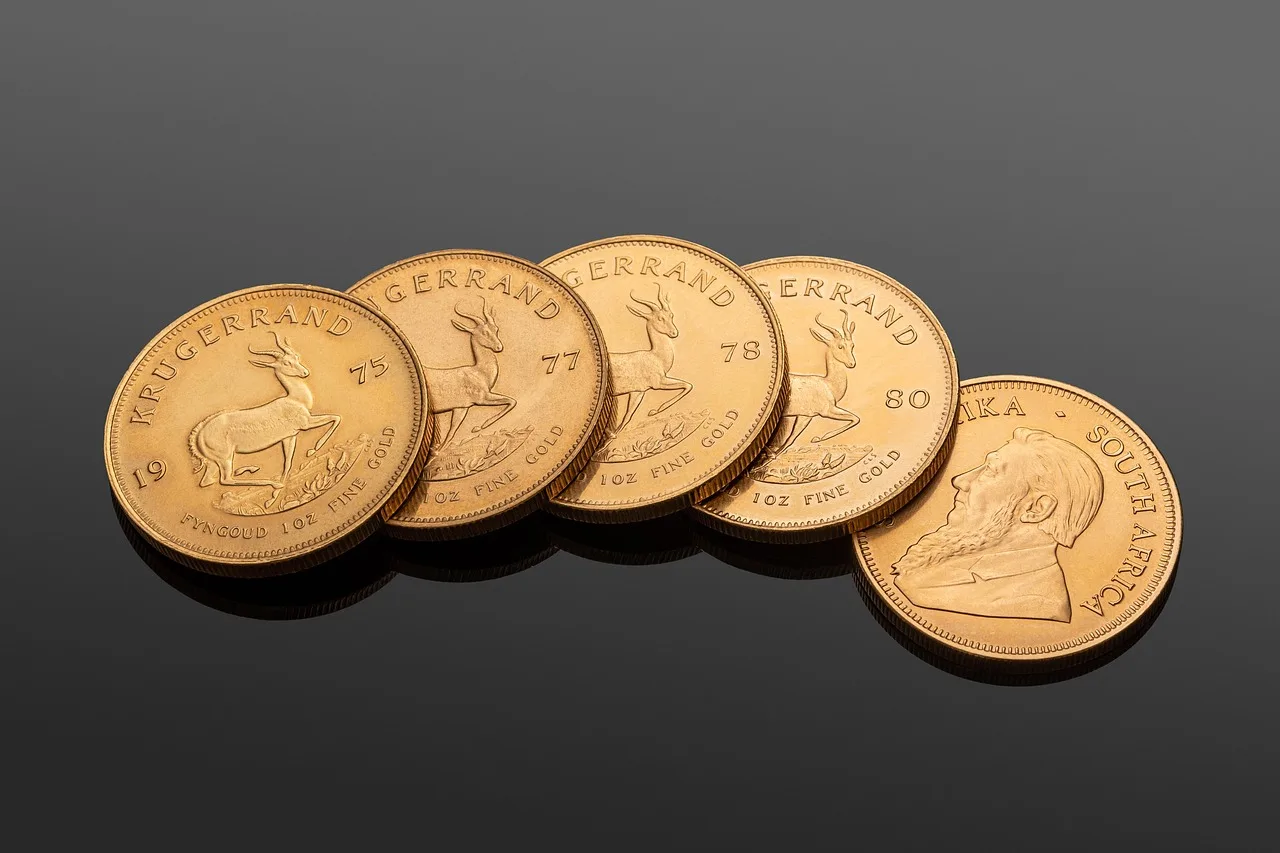
The sovereign coin is issued under legal authority with a denomination, design, and published specification; Maya checks its dated details rather than relying on coin-like appearance. A gold product comparison gives her a way to keep coin and bar categories distinct as she reviews the candidate.
For the American Gold Eagle, Maya checks the statutory source for the product's dimensions, mass, and fine content. Section 5112 supplies those specifications; she compares the relevant dated details rather than assuming that every version has identical features.
US Bullion Coin Specs
$50 Gold
- Diameter
- 32.7 mm
- Gross weight
- 33.931 g
- Fine content
- 1 oz gold
$25 Gold
- Diameter
- 27.0 mm
- Gross weight
- 16.966 g
- Fine content
- 1/2 oz gold
Silver
- Diameter
- 40.6 mm
- Gross weight
- 31.103 g
- Fine content
- .999 silver
The Sunshine Minting Silver Buffalo is listed as a private round, not a sovereign issue. Maya uses a round comparison to check that category, then looks for the maker, stated mass, fineness, and design. Coin-like artwork does not make a private round legal tender or verify its material claims.
For that round, she asks for the maker's specification and compares the dealer's current ask with the buyback bid for the exact product. Premiums and resale spreads can vary, so Maya does not assume that a particular shape will always cost less to buy or bring a stronger resale price.
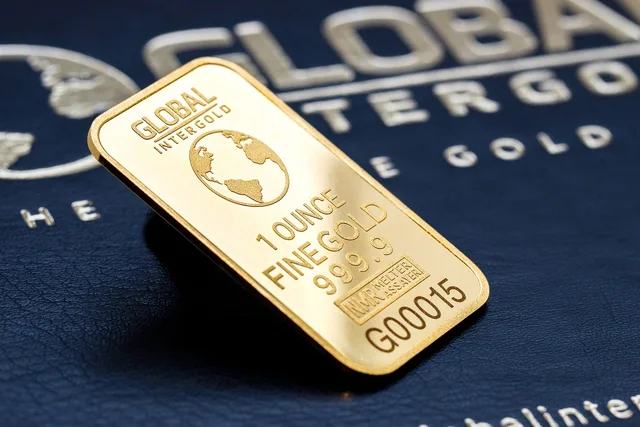
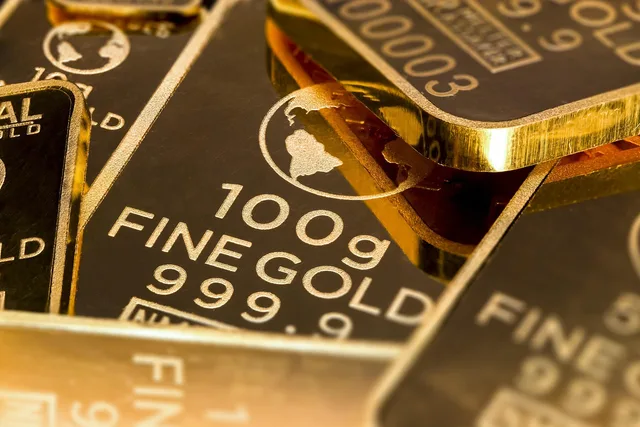
The minted-bar listing names PAMP Suisse Fortuna. Maya checks the exact product specification and its markings instead of assuming that all bars from one producer share the same details. A standardized format case supports her focus on the named product; a smooth surface or sealed card alone does not settle authenticity.
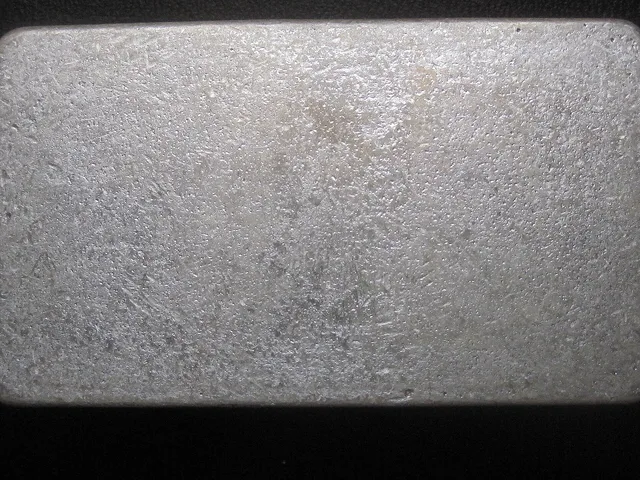
She treats the bar and its package serials as separate entries, then asks whether either number can be checked independently and whether examination is possible without opening the card. The cast-bar listing calls for a different expectation: the Perth Mint's cast gold bars may show flow lines, shrinkage, rounded edges, or dimensional variation from production.
Maya compares the cast item with the producer's published limits rather than the polished finish expected from a minted bar. She also consults a cast bar inspection checklist. Large wholesale bars follow separate acceptance and custody systems, so a smaller product from a listed refiner does not automatically qualify as a wholesale Good Delivery bar.
The inspection narrows the decision
Maya treats marks as evidence with limits, not as final proof. She asks whether the product identity, measurements, provenance, packaging, and suitable examinations agree, and records what each mark can support before deciding whether the listing is adequately described.
| Mark or feature | What Maya can use it to check | What it cannot establish alone |
|---|---|---|
| Metal name or symbol | The claimed material | Actual composition |
| Weight | The claimed gross or fine amount | Correct unit or tolerance |
| Fineness | The claimed metal proportion | Uniformity through the item |
| Hallmark | The claimed maker or assayer | Authentic issuer or current status |
| Serial | A relationship between item and record | Genuine metal or unique use |
| Denomination | Claimed sovereign coin identity | Market value or a genuine specimen |
| Assay card | Claimed product and test relationship | Untampered contents |
For an additional check, Maya uses dealer inspection questions to ask which examination suits the item's size and packaging. X-ray fluorescence checks surface composition; specific-gravity, ultrasonic, and electrical-conductivity methods provide other checks. Their limitations matter, and no single method establishes every item's genuineness.
Maya records what she can support
Maya does not choose by format name alone. She puts the exact product descriptions and current dealer ask and buyback bid side by side, then records the evidence for each candidate so that the quote, the physical item, and the source details can be compared later.
Her record includes the product name and number, issuer or refinery, metal, gross mass, fine content, fineness, dimensions, tolerances, design and finish, marks, serials, package, and effective version. She also saves the source address, access date, and a copy of the relevant specification.
She enters her own measurements separately from the producer's stated values, leaving the quoted specification unchanged. This lets her see whether an observed feature matches what was published, without turning her observation into a revised product claim.
The final worksheet distinguishes what the maker states, what Maya observed, and what the available checks support. If a version, package, or mark cannot be matched to the listing, she has a clear reason to pause rather than letting the shape or price make the decision for her.
Rules from Maya's comparison
The practical rule is to identify the exact product before judging its format. A hallmark, serial, assay card, or government denomination can help with identification, but none alone confirms contents, an authentic issuer, ownership, or market value.
A fineness marking is a proportion claim, not a statement of mass. Maya keeps it separate from the item's weight and calculates fine content from the relevant product figures, rather than assuming that a label or package establishes the amount of precious metal.
A round is not a sovereign coin just because it has coin-like artwork, and a cast bar need not have the smooth appearance of a minted product. Maya compares each object with the relevant specification and production expectations, while keeping wholesale acceptance standards separate from claims about smaller products.
Finally, a serial number does not establish ownership by itself. Maya keeps invoices, custody records, photographs, and transfer information with the product details, source versions, and actual readings. Her record preserves the distinction between the description, the object she examined, and the evidence available afterward.
In this guide
- Bullion product specification reading guide: identity, mass, dimensions, marks, and packagingReading a bullion product specification: record identity, separate gross weight, fineness and fine content, note dimensions, tolerance, marks, packaging and sources.
- Bullion formats compared: sovereign coins, private rounds, cast and minted barsSovereign coins, private rounds, cast bars, and minted bars compared by legal status, manufacture, marks, packaging, premium, inspection, divisibility, and resale.
- Mint, Refiner and Hallmark Checklist: Reading Bullion MarksA checklist for reading a bullion item's mint, refiner, hallmark, and serial marks, and for what list and accreditation claims do and do not prove.
- Bullion marking problems: 10 common errors and fixesBullion marking problems can start with denomination, fineness, assay cards, or packaging. Review ten common errors and fixes for bullion records.
- Choosing a one ounce platinum bullion format: a fictional caseA fictional case compares four one ounce platinum formats: Maple Leaf coin, APMEX round, PAMP Suisse minted bar, and Johnson Matthey cast bar, with invented quotes.