Guides
Physical precious metals guide: ownership, costs, risks, and records
Physical precious metals guide covering bullion forms, dealer pricing, premiums, custody, insurance, liquidity, fraud, taxes, and recordkeeping requirements.
What to take away
- Physical metal is priced by fine content, then loaded with premium, shipping, insurance, and tax.
- The round-trip spread, not the spot price, decides whether a position breaks even.
- Custody is a contractallocated, segregated, audited, and insured are four separate claims to verify.
- Record the invoice, serial, assay packaging, and delivery proof before the metal goes into storage.
- Bullion pays no interest or dividend, and its price can fall.
Physical precious metals are gold, silver, platinum, or palladium. They are held as coins, rounds, or bars. They can be in your hands or under a written custody agreement.
What one troy ounce actually buys
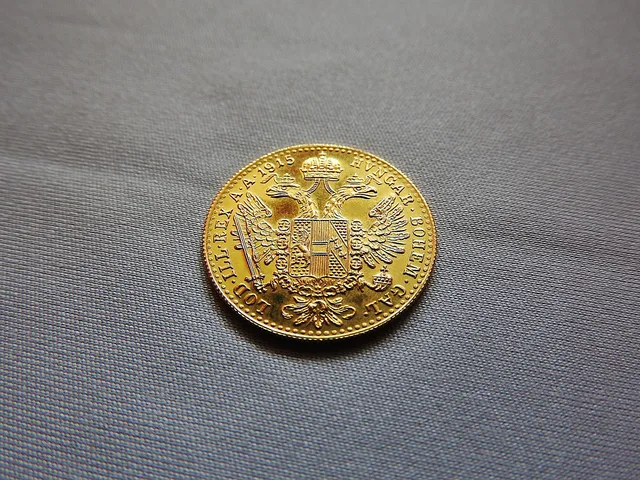
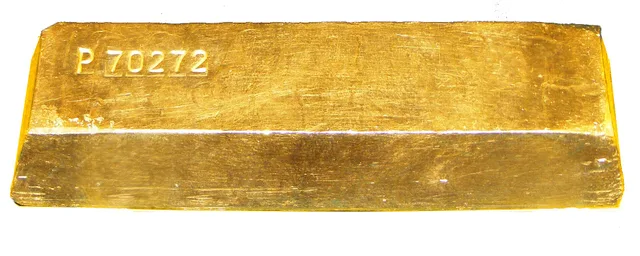
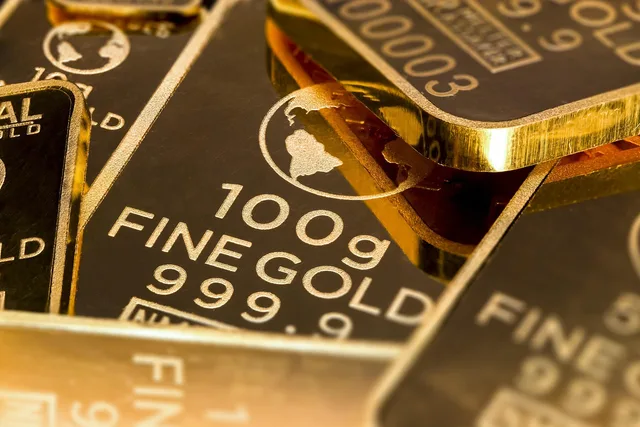
Bullion sells on fine-metal content. A one-troy-ounce gold coin contains one troy ounce of gold even when alloyed with copper, so the coin weighs more than an ounce. A bar stamped 100 g and .9999 fine holds 99.99 g of gold.
Coin vs bar fine content
1 oz gold coin
- Stated form
- 1 troy oz
- Fineness
- alloyed
- Fine gold
- 1 troy oz
- Gross weight
- over 1 oz
100 g .9999 bar
- Stated form
- 100 g
- Fineness
- .9999
- Fine gold
- 99.99 g
- Gross weight
- 100 g
Fineness is the purity fraction. Weight times fineness gives fine content, and that is the number every quote is really about.
Numismatic coins are a different market. Rarity, grade, provenance, and certification set the price, and it can move independently of metal. A buyer who wants metal exposure should treat a collectible upgrade as a second purchase with its own resale spread.
Price has four layers
Spot is a wholesale reference for metal. It is not the number on your invoice, and it is not the number you get back when you sell. Four figures sit between the two:
- Spot.The wholesale reference when you agree the trade. The three layers below stack on top of it.
- Premium.The dealer markup over spot for that product, quantity, and payment method. Typical retail premiums for a 1 oz American Gold Eagle run about 4% to 8% over spot. A generic 1 oz silver round runs about 8% to 15% over spot.
- Shipping and insurance.Insured delivery on a small order typically adds about 1% to 3% of order value, with a flat minimum.
- Tax.Many states exempt investment-grade bullion from sales tax. Others do not. Check your state's rule before you buy.
Four layers from spot to sale
- Fine-metal content in troy ounces
- Total delivered cost with shipping and tax
- Purchase premium per fine ounce
- Current dealer buyback quote
Subtract net sale proceeds from total acquisition cost. That gap is the round-trip spread, and metal has to climb past it before the position is even.
A 1 oz American Gold Eagle typically buys back at about 1% to 3% below spot from a large dealer. A generic 1 oz silver round can buy back at 5% to 10% below spot.
Premiums and buyback spreads widen when retail demand spikes and supply thins. The same coin can carry a very different premium in March and September.
What the sales call sounds like
The CFTC customer advisory on precious-metals sales practices states that precious-metals dealers are not licensed or registered to give investment or trading advice. They are commission-paid salespeople.
The advisory describes one-time and monthly fees that customers did not expect, and customers who reported losing half their investment to those fees. It also describes collectible-coin holders pushed back to the same dealer, bought out at a fraction of what they paid. Those are sales-practice findings, not a verdict on any product.
Physical ownership moves the risk
Metal can fall in price. It can also be stolen, lost, damaged, counterfeited, or delivered late.
FINRA's guidance on buying physical precious metals lists price loss, storage charges, financed purchases, high-pressure sales, and incomplete fee disclosure. It also notes that directly held metal is not a registered security and carries no SIPC coverage.
None of that makes every purchase wrong. It means the protections are different from a brokerage account.
Choose a custody model
Personal possession. You control access. You also carry the concealment, safe quality, fire, and water problems. You carry the household-access problems too. Home policies often cap precious-metals coverage, so get the limit in writing.
Many policies cap theft of precious metals at a low figure, commonly $1,000 to $2,500, unless you add a scheduled rider. A rider typically costs about 0.5% to 1.5% of the insured value per year.
Custody model trade-offs
Personal possession
- Access
- You control
- Main risk
- Theft, fire, water
- Insurance
- Often capped
- Records
- Home copy
Bank safe-deposit box
- Access
- Branch hours
- Main risk
- Death, closure
- Insurance
- Not a deposit
- Records
- Contract
Private vault
- Access
- Operator terms
- Main risk
- Insolvency, audit
- Insurance
- Ask allocated
- Records
- Serial record
Bank safe-deposit box. Access follows branch hours, identification, and the deposit contract. The contents are not a bank deposit. Ask what happens to access after death, incapacity, or a branch closure. A small box typically costs about $50 to $300 a year. The bank does not insure the contents, so buy your own policy.
Private vault or dealer storage. Ask whether the metal is allocated to you, segregated from other customers, identified by serial or inventory record, independently audited, and insured. Ask how it is separated from the operator's own assets in insolvency. A monthly statement is not an audit and not an inspection.
Allocated, segregated retail storage typically runs about 0.5% to 1.0% of metal value per year, often with a minimum monthly fee. Insurance is usually separate and can add about 0.1% to 0.5% of value per year. Operators such as Brink's and Delaware Depository publish terms.
Whatever the model, a written purchase policy keeps the decision out of the sales call.
Verify before money moves
Verify before money moves
- Seller legal name and address
- Written terms and product spec
- Delivered price and payment method
- Delivery date and insurance
- Signature, return, buyback, complaint route
- Photograph package, label, contents, weight
Compare quotes on identical product, quantity, payment method, and delivery terms. Write down the spot reference and the minute you saw it. Walk away from guaranteed returns, countdown pricing, claims that risk does not exist, and pressure to move retirement funds today.
At receipt, photograph the sealed package, label, contents, and markings. Then photograph the weight. Use non-destructive checks first: weight against the stated figure, dimensions with calipers, a magnet, and a conductivity meter.
XRF confirms surface composition, not the inside of a bar. If results conflict, stop and get qualified examination before you open packaging or touch a collectible surface.
Records and reporting
Records to keep
- Invoice, payment proof, seller details
- Quantity, weight, fineness, serial number
- Assay packaging, photos, delivery record
- Insurance schedule, transfers, test results
- Sale documents and privacy-safe copy
In the United States, dealers file Form 1099-B for certain sales and Form 8300 for large cash transactions.
The 1099-B trigger is a product list and quantity, not a dollar figure. The current list includes 1 oz American Gold Eagles, 1 oz American Gold Buffalos, and 1 oz Platinum Eagles in any quantity, and 90% silver coins sold in $1,000 face-value lots. Form 8300 applies when a trade involves more than $10,000 in cash.
The thresholds and the products they cover are set by the IRS, and they change. Confirm the current rules with a CPA or tax attorney before you sell, and never split a transaction to stay under a reporting line.
Selling and exit
Where you sell matters as much as where you buy. Large online dealers such as APMEX and JM Bullion publish buyback prices. Local coin shops and auction houses are other routes.
A large online dealer typically pays about 1% to 3% under spot for a 1 oz American Gold Eagle, and about 5% to 10% under spot for a generic 1 oz silver round.
Timing moves the number. Buyback discounts widen when retail demand spikes and dealers are long on inventory. Get two firm quotes on the same day, and compare each against the spot price you record at the minute of the quote. Sell into calm markets.
A disciplined sequence
- Set the purpose, the dollar limit, the holding period, and the loss you can absorb.
- Compare physical ownership with funds, mining shares, and futures before choosing a form.
- Pick standardized products with a deep resale market.
- Vet the seller, the delivered price, the payment route, and the remedy.
- Arrange custody, insurance, and off-site records before ordering.
- Inspect and document receipt without rushing.
- Review price, condition, access, insurance, and exit options on a schedule.
Common questions
Is bullion guaranteed to rise with inflation?
No. Metal prices respond to rates, currency, industrial demand, and positioning, and they have fallen in inflationary periods. Treat it as one asset with its own cycle, not a hedge that always works.
Is spot the price I will pay?
Almost never. Retail products carry fabrication, distribution, dealer margin, shipping, and insurance. Resale quotes can land below spot when a dealer needs room to resell.
Does a government mint mark guarantee the dealer?
No. A genuine coin says nothing about the seller, the price, the delivery promise, or the storage arrangement. Verify the seller separately from the product.
Should bullion be cleaned?
Usually not. Cleaning removes surface metal and can destroy collectible value. Store it in the packaging it arrived in and handle it by the edges.
In this guide
- How to write a personal precious metals purchase policyA precious metals purchase policy sets your purpose, spending cap, eligible products, quote fields, seller checks, payment, custody, records, and pause rules.
- Physical metal, metal funds, mining shares, and futures comparedPhysical metal, commodity funds, mining shares, and futures compared by ownership, exposure, custody, fees, liquidity, leverage, business risk, and disclosures.
- First bullion purchase due-diligence checklistFirst bullion purchase checklist for product identity, dealer research, premiums, payment, delivery, authentication, storage, insurance, records, and exit.
- Precious-metals buying mistakes and controlled fixesPrecious-metals buying mistakes guide for pressure sales, hidden premiums, product switches, leverage, vague storage, payment changes, delivery, and disputes.
- First physical metals purchase case: the order of checksA fictional first physical metals purchase case: the pitch refused, then seller, product, delivery, storage, tax-record and exit checks in the order made.