Maintenance
Part of Gold Bullion Buying Guide: Working Out Fine Content
Gold coin and bar inspection checklist on delivery
Gold coin and bar inspection checklist for listings, packages, markings, weight, dimensions, security features, records, testing limits, and escalation.
Treat delivery inspection as a sequence of decisions, not a verdict. At each stage, compare the item with records for its exact product and preserve evidence before taking any action that could change it. A home inspection can flag concerns, but it cannot certify authenticity or replace a qualified examiner.
If the order is not yet placed
If the purchase is still pending, first document the seller, the exact product variant, and the conditions that could affect a return. Use gold bullion references for the product, retain the written terms, and obtain the specification for the precise issuer, type, size, and year.
- Record the seller's legal name and physical contact route.
- Save the full listing, price, date and time, photographs, and stated condition.
- Note the issuer, product, year, finish, denomination, weight, and fineness.
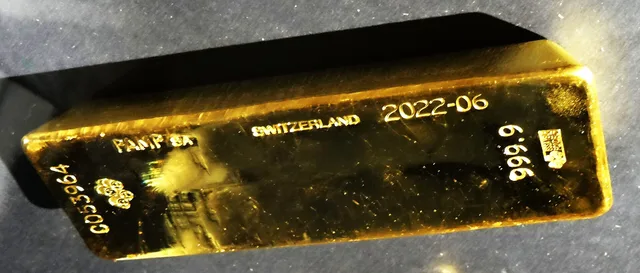
- Find out where the serial should appearon the bar, card, invoice, or more than one of these.
- Ask whether opening a capsule or assay card affects return rights or the buyback bid.
- Confirm carrier, insurance, signature requirements, delivery deadline, and loss procedure.
- Prepare a calibrated scale, suitable caliper, clean surface, good lighting, and camera.
Specifications may state fine-gold content separately from the object's gross weight. For example, the U.S. Mint's American Eagle Gold Proof specifications say the one-ounce version contains one fine troy ounce, while its alloyed gross weight is 1.0909 troy ounces. Those proof specifications do not establish the finish or packaging of a bullion-finish coin.
Pre-order preparation checklist
- Record seller legal name and written terms
- Save listing, price, timestamp, photos
- Identify issuer, year, finish, weight, fineness
- Obtain authoritative specification for exact variant
- Confirm serial placement on bar, card, invoice
- Ask if opening capsule affects return right
- Prepare calibrated scale, caliper, lighting, camera
Rule of thumb: Do not order until the variant and terms are recorded.
If the parcel has just arrived
If the shipment is in hand, document its condition before opening it. Photograph each side of the unopened package, note its label and tracking number, record the time received, and stop if it is empty, wet, cut, resealed, materially damaged, or inconsistent with the order.
- Keep the box, padding, invoice, label, and security materials until acceptance is final.
- If value and privacy considerations justify it, open the shipment under continuous video.
Keep evidence private: do not post shipping labels, home details, serials, safe locations, or complete inventory images publicly. Those records can support a later dispute without advertising ownership or revealing where property is kept.
Delivery inspection sequence
- Photograph every side of unopened package
- Record label, tracking, seal, damage, time
- Open under continuous video if justified
- Retain box, padding, invoice, label, security materials
- Stop if parcel is empty, wet, cut, resealed, damaged
Rule of thumb: Photograph first, and keep the packaging.
If the item and paperwork seem different
If the delivered piece does not immediately match the order, pause and compare its count and description with the invoice. Use a matching reference for the precise product, then compare its design and identifying marks rather than relying on a general resemblance.
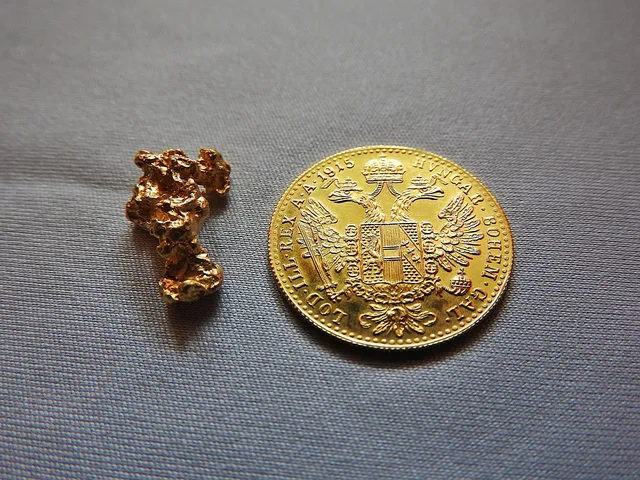
- Compare the obverse, reverse, edge, orientation, typography, and date.
- Check hallmark, denomination, weight statement, fineness, and mint mark where applicable.
- Reconcile serials on the bar, assay card, invoice, and seller record.
- Note misspellings, uneven characters, impossible dates, missing marks, or altered surfaces.
- Record capsule scratches separately from any marks on the coin.
Inspect under diffuse and angled light, since radial lines, reeded edges, relief, and reflective fields may look different in flat photographs. Do not clean or rub the surface to improve visibility. If the year or product type remains uncertain, confirm the feature against the correct specification before deciding what the difference means.
Rule of thumb: Compare like with like before treating a difference as a defect.
If weight or dimensions raise a concern
If a measurement appears unexpected, check the instrument and method before drawing a conclusion. Record the raw result with its unit and instrument resolution, compare it only with a published tolerance for the exact item, and repeat the measurement if the first reading remains surprising.
- Confirm the scale reads zero and check it with an appropriate calibration mass.
- Record gross weight and the instrument's resolution.
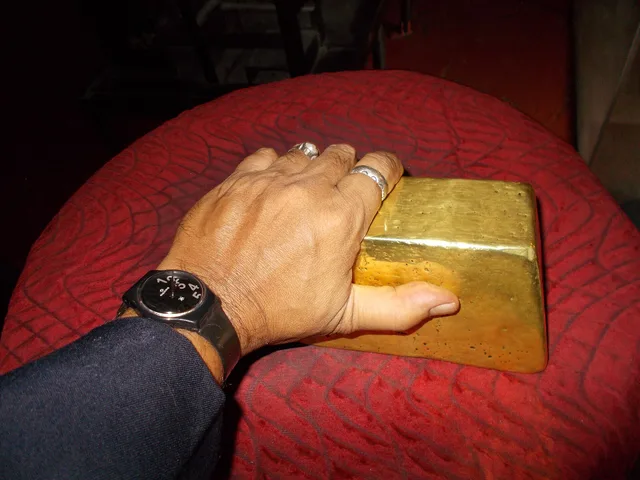
- Measure diameter, length, width, and thickness at consistent points.
- Do not file, drill, use acid, bend, or scratch the item during the initial examination.
A small difference may reflect instrument precision, capsule mass, measuring pressure, product tolerance, or a genuine issue. Keep the first reading even if a repeat differs, and write down the instrument and method used so another examiner can understand how the result was obtained.
Rule of thumb: Preserve the measurement, then verify the method.
If the product is supposed to have a security feature
If a feature is expected, first establish that it belongs on this specific year and format.
Features are not universal: some coins have micro-engraved marks, radial lines, latent imagery, or proprietary database matching, while some bars use serials, tamper-evident cards, or optical elements. Compare the product with the right year and format.
The Royal Canadian Mint describes radial lines, a micro-engraved security mark, and dealer-operated image matching on its Bullion DNA system page. The described system covers Gold Maple Leaf coins dated 2014 and later and Silver Maple Leaf coins dated 2015 and later. An owner's visual check is not verification through the authorized device and database.
Rule of thumb: Confirm the feature and its approved verification route.
If basic checks leave doubt
If the records, visual examination, weight, and dimensions do not settle the question, treat them as an initial evidence stage, not a final authentication. A qualified dealer or laboratory may select an appropriate further method, including electrical conductivity, ultrasound, X-ray fluorescence, or specific-gravity methods.
No single method answers every question. Surface composition may differ from the core, packaging can obstruct a reading, and calibration, geometry, operator method, and comparison standards affect results. Do not let one passing test outweigh several serious conflicts; record what was tested and how before deciding on next steps.
Rule of thumb: Use more evidence, not just one reassuring result.
If results conflict or the package looks altered
If a serious inconsistency remains after careful rechecking, stop the transaction workflow and keep the item unchanged. Quarantine it if serials disagree or appear altered, measurements remain outside a reliable specification, year-specific features do not match, or two sound methods produce conflicting results.
- Stop if the parcel appears substituted or resealed.
- Stop if the seller pressures you to disregard evidence or miss a dispute deadline.
Keep the item with its packaging and paperwork in controlled storage. Contact the seller in writing, state observable facts, preserve deadlines, and request the promised remedy. If needed, obtain an independent qualified examination. Do not return a high-value item without documented authorization, tracking, insurance, and custody terms.
Rule of thumb: Preserve the evidence and deadlines before seeking a remedy.
If you need to close the record or resolve one remaining question
If the inspection is finished or remains inconclusive, record its status rather than filling gaps with assumptions. Save unedited photographs and measurements, note dates, instruments, operator, and test conditions, attach any dealer or laboratory report, and mark whether the item was accepted, returned, replaced, or left unresolved.
- Update the private inventory and storage record.
- Keep a separate backup without unnecessary location detail.
- Magnet:A magnetic response may identify some wrong materials, but a nonmagnetic result does not prove composition.
- Assay card:Before removing a minted bar, check return and resale consequences. Use the product's intended verification route rather than casually damaging packaging.
- Serial:A matching serial is one consistency check; it does not prove a bar is genuine.
- Inconclusive result:Quarantine the item, preserve evidence and deadlines, and seek independent qualified examination instead of guessing.
Rule of thumb: Record what is known, and leave uncertainty clearly marked.