Guides
Part of Bullion formats guide: Coins, rounds and bars
Bullion product specification reading guide: identity, mass, dimensions, marks, and packaging
Reading a bullion product specification: record identity, separate gross weight, fineness and fine content, note dimensions, tolerance, marks, packaging and sources.
What to take away
- Pin down issuer, product number, year and finish before you copy a single measurement.
- Gross weight, fineness and fine-metal content are three separate cells, and a calculated figure is labelled as calculated.
- Diameter, thickness, edge, rim, field, relief, inscriptions and marks belong to the version record, not to the price sheet.
- A published tolerance is a range, not permission to wave through a reading that falls outside it.
- Keep expected values and observed values in different fields, or a mistake becomes the record.
A specification only means something once it is tied to one item. Work through it in order before you buy, receive or test a coin or bar.
Lock the identity first
Write down issuer, product name, product number, and year. Also write down denomination, size, and finish. Bullion, proof, reverse proof, uncirculated and commemorative are different products at different premiums, and a stock photo with no year tells you none of it.
Name the physical parts
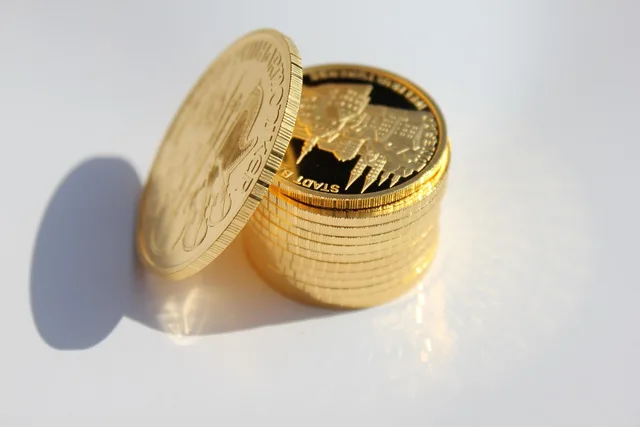
For a coin, record these features:
- obverse
- reverse
- edge
- rim
- field
- relief
- inscriptions
- date
- mint mark
- privy mark
- artist initials The U.S. Mint's coin anatomy reference defines those parts and separates plain, reeded, lettered and decorated edges. It describes United States coinage, so it does not settle what another mint struck.
For a bar, record these details:
- main face
- reverse
- sides
- corners
- hallmark
- assay stamp
- serial
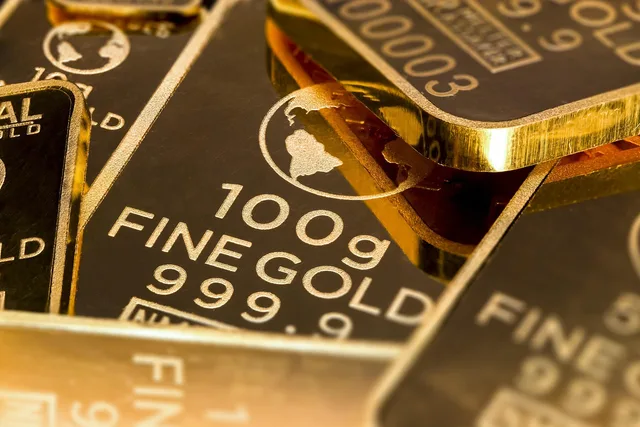
- weight statement
- fineness
- date
- package
Parse the mass fields
Build three cells and never merge them: gross weight, fineness, fine-metal content. If the fine content is not printed, calculate it and mark the cell "calculated" rather than "issuer stated." Keep grams and troy ounces in labelled columns, and keep enough decimal places to show the rounding.
The instrument behind the number matters as much as the number. California's Division of Measurement Standards says in its guidance on commercial scales that a scale used commercially must be of a type approved before use, and inspected, tested and sealed by a county weights and measures office. Keeping it accurate stays with the owner.
A weight from an unapproved kitchen scale is a private observation. A specification sheet should say which of the two it holds.
Record dimensions and tolerance
Coins usually publish diameter, sometimes thickness. Bars may publish length, width and thickness. Note whether the figure applies to the bare item, the capsule, the card or the box.
Write nominal value, lower limit, upper limit, unit and source. Where no tolerance is published, leave the field empty. Do not fill it from a forum thread.
Composition is not finish
Composition is what the piece is made of. Finish is how the surface was produced. A proof coin is not automatically purer than the bullion version of the same coin. A frosted device, a mirrored field or special handling moves the premium, and leaves the fine content where it was.
Map the marks by location
| Mark | Expected text | Location | Observed |
|---|---|---|---|
| Metal | Exact wording | Front or reverse | Blank until inspection |
| Weight | Value and unit | Named face | Blank |
| Fineness | Digits or percentage | Named face | Blank |
| Serial | Format | Bar and card | Blank |
| Date or mint mark | Character | Design location | Blank |
Location carries weight because a counterfeiter can copy the words and still put them in the wrong place. Correct placement is not proof of composition either.
Treat packaging as a component
Items to record and match by serial:
- capsule
- tube
- assay card
- tamper seal
- film
- certificate
- box
- label
- matching serial State whether each is original, replacement, opened, damaged or missing. Ask the dealer whether breaking the seal changes a return window or a buyback bid before you open anything.
Label the scope of every source
Tag each source with its access date and effective year. Use one of these labels:
- issuer product page
- standard
- glossary
- dealer listing
- archived catalog
- secondary reference A standard written for wholesale good delivery bars does not govern a one-ounce retail coin.
Compare what you actually have
At receipt, enter raw measurements and photographs without bending them toward the spec. Note scale resolution, calibration date, caliper method, package state, lighting and who took the reading. Repeat any surprising result after you check your own technique.
Escalate when several facts conflict, a serial does not match, a security feature is absent, or a reading stays outside a published range. Do not scratch, acid test or open the packaging first. Take the item to a qualified assayer or an XRF lab, and route a complaint about a dealer to your state regulator or the CFTC.
Common questions
Is fine weight the same as gross weight?
Only for a theoretically pure piece. Alloy and stated fineness pull the two apart, which is why they get separate cells.
Does proof describe purity?
No. Proof is a production finish. Read composition from the fineness line, not from the finish.
What if the mint page has changed?
Use an archived official copy where one exists, and label it with its date and product number so the record shows which version you checked.
Can I round 31.103 grams to one household ounce?
No. Troy ounces and avoirdupois ounces are different units, and the gap is large enough to matter on a bar.