Reviews
Part of Bullion formats guide: Coins, rounds and bars
Bullion formats compared: sovereign coins, private rounds, cast and minted bars
Sovereign coins, private rounds, cast bars, and minted bars compared by legal status, manufacture, marks, packaging, premium, inspection, divisibility, and resale.
What to take away
- Sovereign coins carry legal tender status and a face value. Private rounds carry neither.
- Large cast bars usually show the lowest premium per ounce. Sovereign fractional coins show the highest.
- Minted bars add assay packaging, and that packaging shapes the buyback bid.
- Divisibility favours small coins while cost per ounce favours large bars.
- Dealer reporting on Form 1099-B turns on product type and quantity, not on brand.
The short answer: buy the format whose buyback bid you can verify today. Legal status, finish, and packaging matter only as far as they move that bid.
Side-by-side comparison
The table sets the four formats against the eight attributes that decide delivered cost and exit price.
Sovereign coins
- Legal status
- Legal tender with a face value
- Manufacture
- Government mint, struck blank
- Marks
- Nation, denomination, year, fineness, mint mark
- Packaging
- Tubes and sealed boxes
- Premium
- Highest, worst on fractions
- Inspection
- Weight, diameter, thickness, edge
- Divisibility
- Fractional sizes exist
- Resale
- Widest dealer and collector demand
Private rounds
- Legal status
- Not legal tender
- Manufacture
- Private mint, struck
- Marks
- Maker, weight, fineness
- Packaging
- Tubes or sleeves
- Premium
- Low to moderate
- Inspection
- Weight, diameter, maker mark
- Divisibility
- Usually one ounce
- Resale
- Depends on the maker
Cast bars
- Legal status
- Not legal tender
- Manufacture
- Molten metal poured into a mold
- Marks
- Maker, weight, fineness, often a serial
- Packaging
- Bulk, sometimes strapped
- Premium
- Lowest at large sizes
- Inspection
- Weight, thickness, stamps
- Divisibility
- Poor, cannot be cut
- Resale
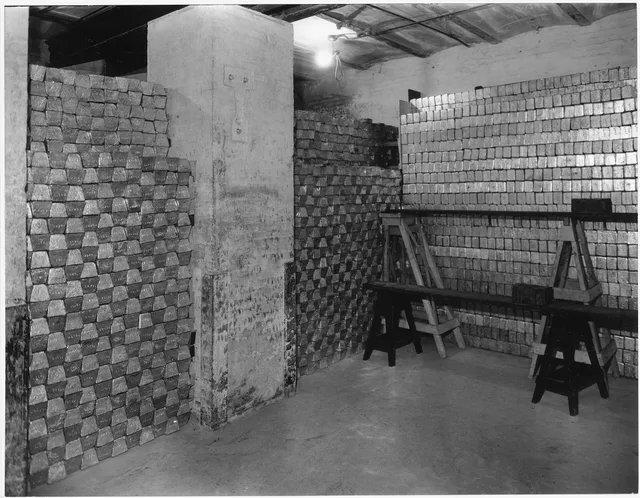
- Dealer and refiner, large units
Minted bars
- Legal status
- Not legal tender
- Manufacture
- Blank struck and finished
- Marks
- Maker, weight, fineness, serial
- Packaging
- Sealed assay card or blister
- Premium
- Low to moderate
- Inspection
- Weight, serial, card match
- Divisibility
- Poor, cannot be cut
- Resale
- Dealer, card intact
Premium rows rank the formats only. The section below gives indicative numbers.
Bullion Formats at a Glance
Sovereign coin
- Issuer
- Government mint
- Production cue
- Struck with denomination
- Typical evidence
- Official specification
- Main tradeoff
- Coin premium
Private round
- Issuer
- Private mint
- Production cue
- Struck without denomination
- Typical evidence
- Maker marks
- Main tradeoff
- Variable recognition
Cast bar
- Issuer
- Refiner or mint
- Production cue
- Molten metal in mold
- Typical evidence
- Hallmark, weight, serial
- Main tradeoff
- Surface variation
Minted bar
- Issuer
- Refiner or mint
- Production cue
- Cut blank, controlled finish
- Typical evidence
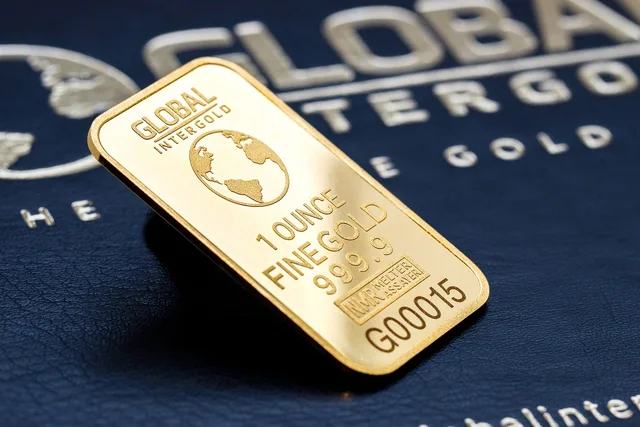
- Precise marks, assay card
- Main tradeoff
- Packaging dependence
Sovereign coins and the law
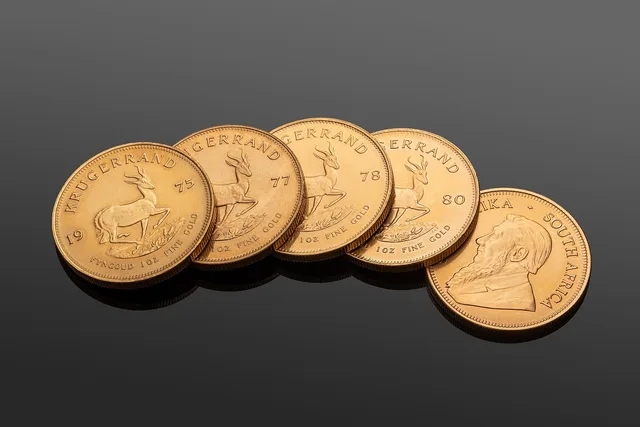
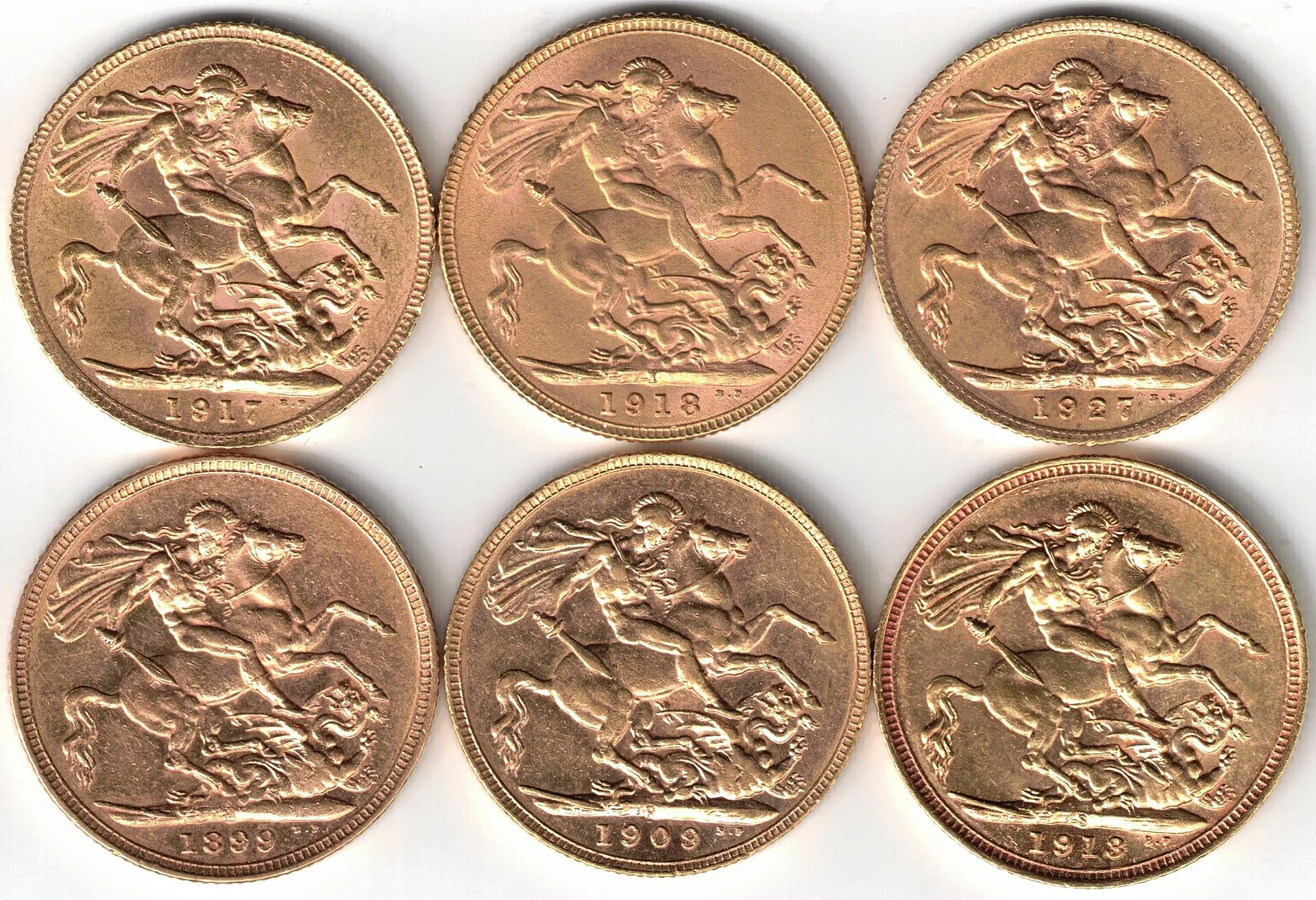
The U.S. Mint bullion coin program strikes American Eagles, Buffalos, and Silver Eagles, and sells them through authorized purchasers. A one-ounce gold Eagle carries a 50 dollar face value. That denomination is what legal tender means here.
Legal tender status supports recognition. It does not set value. A one-ounce gold Eagle is worth its metal, not 50 dollars.
Purity varies inside the same program. Eagle gold is 22 karat. Buffalo gold is .9999 fine. The Silver Eagle is .999 fine. Check year, finish, and edge before comparing two prices.
Premiums per format
Indicative ranges from US dealers, before shipping:
- 2 to 6percent over spotOne-ounce sovereign gold coin
- 8 to 15percentOne-tenth-ounce sovereign gold coin
- 1 to 4percentOne-ounce private gold round
- 2 to 5percentOne-ounce minted gold bar
- 1 to 3percentTen-ounce cast gold bar
- 8 to 20percentOne-ounce silver round
- 1 to 4percentOne-hundred-ounce silver bar
Dealers quote a line, not a number. How to compare a gold bullion quote line by line shows which fees to strip out before you rank two formats fairly.
Buyback spreads are the other half of the cost. A common product may bid 1 to 3 percent under spot. An unfamiliar round may bid 10 percent under, or draw no bid at all.
Example: one ounce of gold, four ways
Assume spot at 2,000 dollars an ounce, for arithmetic only.
One ounce of gold, four ways
- Add shipping and any card or wire fee to the dealer asking price.
- Divide the delivered total by the fine ounces in the order.
- Ask the same dealer for today's buyback bid on the identical product.
- Subtract that bid from your delivered cost to get the round-trip gap.
A one-ounce coin at 4 percent costs 2,080 dollars. A buyback at 1 percent under spot returns 1,980 dollars. That gap is 100 dollars on one ounce.
Ten cast one-ounce bars at 2 percent cost 20,400 dollars and return 19,800 dollars. The gap is 600 dollars, or 60 dollars an ounce. The bar wins on cost, the coin wins on partial sales. Gold coins, bars, wafers, and divisible products compared runs the same numbers across fractional sizes.
Inspection and marks
- Coinsweigh them, measure diameter and thickness, check the edge, and confirm the finish matches the bullion version rather than a proof.
- Roundsconfirm the maker mark, the stated weight, and the stated fineness.
- Cast barsuneven surfaces are normal. Stamps must be legible and the weight measured, not assumed.
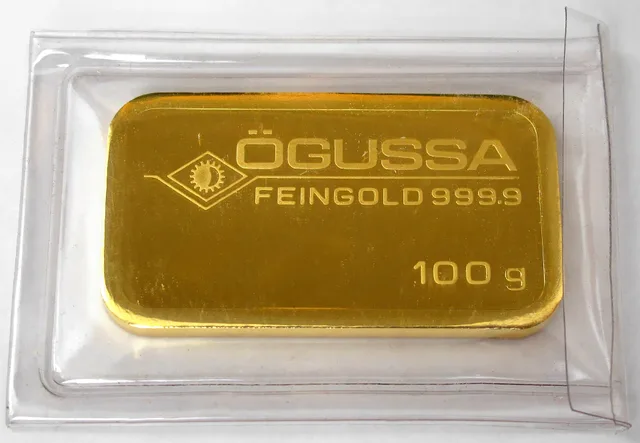
- Minted barsmatch the bar serial to the assay card and check the seal is intact.
An assay card is producer evidence, not a government document. A UK rule often quoted on this subject, the Value Added Tax (Investment Gold) Order 1999, does not apply to US buyers. Gold coin and bar inspection checklist on delivery lists the tools and the order to use them.
Resale, reporting, and tax
Coins resell to coin shops, online dealers, and other collectors. Depth is widest for Eagles, Buffalos, and Silver Eagles. Fractional coins sell, but the bid sits wider.
Rounds resell on the maker name. An unknown private mint may draw a discount or no bid. Cast bars sell to dealers and refiners, and large bars often need an assay or a refiner buyback program.
Minted bars sell best with the card intact. An opened card can push the bid down. Mint, refiner, hallmark, and serial-number checklist explains why a recognized mark drives a resale bid harder than finish does.
Dealers report certain sales to the IRS on Form 1099-B. Commonly cited thresholds include 25 or more one-ounce gold coins in one transaction and gold bars of one kilogram or more. Your own gain goes on Form 8949 with Schedule D, and long-term gains on collectibles are capped at 28 percent.
State sales tax varies. Some states exempt investment bullion, others tax it at the full rate. Sales taxes in the United States sets out how state and local rules differ. In Canada, qualifying investment-grade gold and silver are generally zero-rated for GST/HST.