Features
Part of Gold Bullion Buying Guide: Working Out Fine Content
A gold bar purchase and its exit cost: a worked case
Gold bar purchase case comparing a 20-gram bar with a one-ounce coin through delivered premium, custody, documentation, buyback spread, and sale records.
What to take away
- This fictional case compares equal methods, not equal unit sizes, and discloses every assumption.
- The lower purchase premium does not necessarily produce the smaller immediate loss.
- A product's fine content, delivered cost, net bid, and round-trip gap belong in one table.
- Storage fit and sale size can outweigh a small premium difference.
- Records created at purchase reduce later tax, estate, insurance, and resale uncertainty.
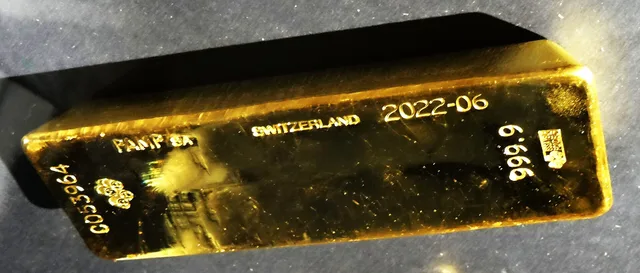
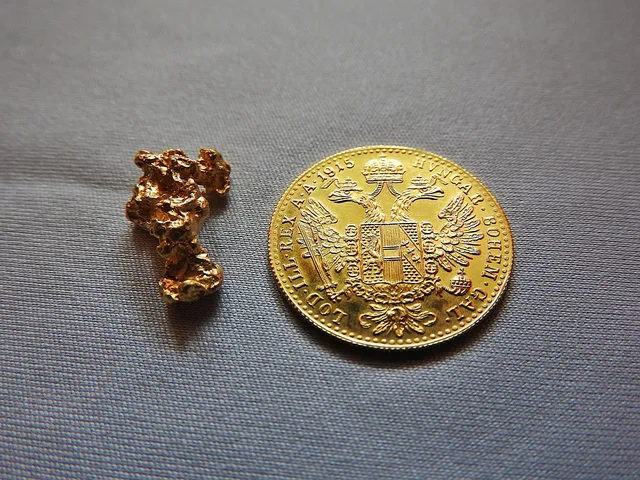
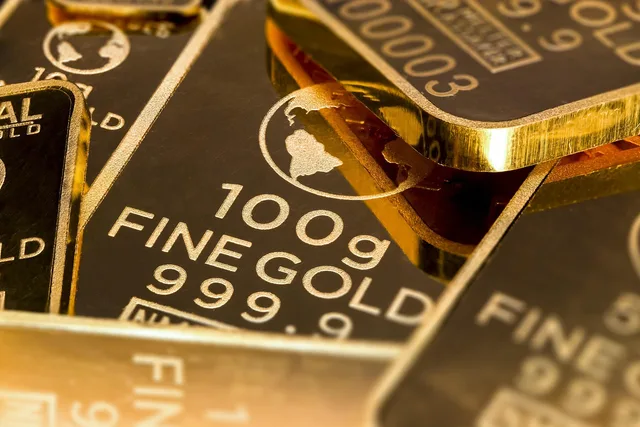
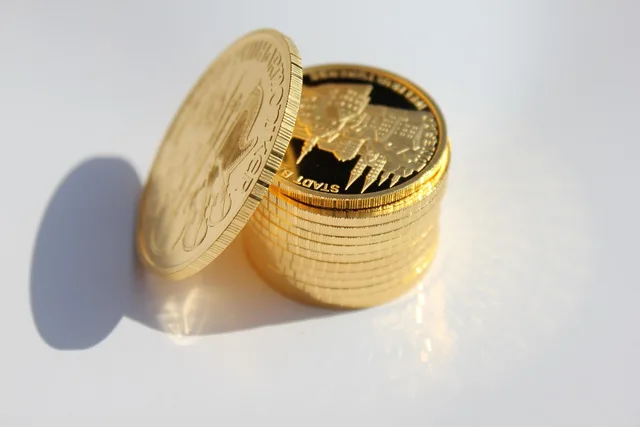
Maya wants a modest physical-gold holding that can remain untouched for several years. She is comparing a 20-gram minted bar with a one-troy-ounce sovereign bullion coin. The figures below are fictional and are not forecasts or purchase advice.
Set the decision boundary
Maya writes five requirements:
- No borrowing.
- One verified dealer with insured, signature-required delivery.
- A product that two independent local buyers currently quote.
- Secure storage prepared before delivery.
- Enough cash retained so the metal is unlikely to require an urgent sale.
The two products contain different amounts of gold, so she will compare both total dollars and cost per fine ounce.
Record the market and product facts
At 10:00 a.m., her chosen reference price is a fictional $2,400 per fine troy ounce.
Product Facts at $2,400/oz
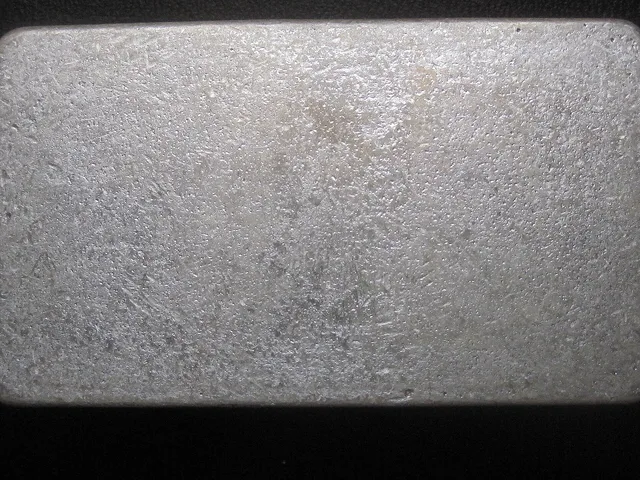
20-gram minted bar
- Gross weight
- 20.000 g
- Fineness
- 999.9
- Fine gold
- 19.998 g
- Fine troy ounces
- 0.64295
- Metal reference
- $1,543.08
One-ounce bullion coin
- Gross weight
- 33.931 g
- Fineness
- 91.67%
- Fine gold
- 1.0000 troy oz
- Fine troy ounces
- 1.0000
- Metal reference
- $2,400.00
20-gram minted bar
- Gross weight
- 20.000 g
- Fineness
- 999.9
- Fine gold
- 19.998 g
- Fine troy ounces
- 0.64295
- Metal reference
- $1,543.08
One-ounce bullion coin
- Gross weight
- 33.931 g
- Fineness
- 91.67%
- Fine gold
- 1.0000 troy oz
- Fine troy ounces
- 1.0000
- Metal reference
- $2,400.00
The alloyed coin weighs more than one troy ounce but contains one troy ounce of fine gold. The bar's fine content is its gross grams multiplied by 0.9999.
Compare delivered acquisition cost
The dealer provides written checkout totals for bank transfer and the same destination.
Delivered Acquisition Cost
20-gram bar
- Merchandise
- $1,600
- Shipping and insurance
- $24
- Other required charge
- $0
- Delivered total
- $1,624
- Premium dollars
- $80.92
- Premium rate
- 5.24%
- Delivered cost per fine oz
- $2,525.85
One-ounce coin
- Merchandise
- $2,505
- Shipping and insurance
- $0
- Other required charge
- $0
- Delivered total
- $2,505
- Premium dollars
- $105.00
- Premium rate
- 4.38%
- Delivered cost per fine oz
- $2,505.00
20-gram bar
- Merchandise
- $1,600
- Shipping and insurance
- $24
- Other required charge
- $0
- Delivered total
- $1,624
- Premium dollars
- $80.92
- Premium rate
- 5.24%
- Delivered cost per fine oz
- $2,525.85
One-ounce coin
- Merchandise
- $2,505
- Shipping and insurance
- $0
- Other required charge
- $0
- Delivered total
- $2,505
- Premium dollars
- $105.00
- Premium rate
- 4.38%
- Delivered cost per fine oz
- $2,505.00
The bar costs less in total because it contains less gold. The coin has the lower acquisition cost per fine ounce in this quote. Neither conclusion could be reached from the product headline alone.
Understand the supply route
Maya checks why retail prices can differ from metal references. The U.S. Mint explains on its authorized bullion purchaser requirements that it sells bullion coins through approved purchasers, bases price on prevailing metal prices plus a product premium, and requires participants to maintain a two-way market. A consumer still buys through the downstream market, where dealer and delivery terms apply.
This source supports the Mint's own distribution program. It does not explain the private bar's route or guarantee Maya's retail dealer.
Add immediate exit quotes
Two local buyers inspect product descriptions and state their current net bids, assuming intact condition and same-day settlement. Maya uses the better documented bid for each, while retaining both quotes.
Immediate Exit Quotes
20-gram bar
- Gross buyback
- $1,512
- Sale-related cost
- $12 insured transport
- Net exit
- $1,500
- Immediate round-trip gap
- $124
- Gap as share of purchase
- 7.64%
One-ounce coin
- Gross buyback
- $2,388
- Sale-related cost
- $0 in-person
- Net exit
- $2,388
- Immediate round-trip gap
- $117
- Gap as share of purchase
- 4.67%
20-gram bar
- Gross buyback
- $1,512
- Sale-related cost
- $12 insured transport
- Net exit
- $1,500
- Immediate round-trip gap
- $124
- Gap as share of purchase
- 7.64%
One-ounce coin
- Gross buyback
- $2,388
- Sale-related cost
- $0 in-person
- Net exit
- $2,388
- Immediate round-trip gap
- $117
- Gap as share of purchase
- 4.67%
The smaller bar requires less cash, yet has a slightly larger dollar gap and a materially larger percentage gap in this scenario. Another date or market could reverse the ranking.
Include custody and divisibility
The one-ounce coin places more value in one item. The 20-gram bar lowers the amount that must be sold as a single unit, though it is not divisible without destroying its normal product form. Maya is not comparing fractional coins, so neither choice supports very small sales.
The bar arrives in an assay card. One buyer requires the card to remain intact for its quoted bid. The coin arrives in a capsule, and both buyers say capsule scratches will not change their bullion bid if the coin itself remains acceptable. Maya records these conditions rather than assuming they are permanent.
Create the acquisition file
At purchase, Maya saves:
Acquisition File Checklist
- Dealer identity and written terms
- Listing, timestamp, invoice, and payment proof
- Product specification, weight, fineness, serial
- Shipping, insurance, receipt, and package photographs
- Initial measurements and professional verification
- Storage transfer and insurance confirmation
- Both contemporary buyback quotes
- Dealer identity and written terms
- Listing, timestamp, invoice, and payment proof
- Product specification, weight, fineness, and serial where applicable
- Shipping, insurance, receipt, and package photographs
- Initial measurements and any professional verification
- Storage transfer and insurance confirmation
- Both contemporary buyback quotes
For US federal tax preparation, IRS Publication 550 discusses investment income and states that collectibles include metals and coins. Maya's Publication 550 record copy is a starting reference, not a substitute for advice about her facts, basis, holding period, reporting, or state law. She keeps acquisition and sale costs for a qualified tax professional.
Make the decision
Maya chooses the coin because this exact quote has a lower delivered cost per fine ounce, a narrower immediate gap, no package-dependent bid, and two convenient in-person buyers. She accepts its larger cash requirement and unit concentration because they fit her written limit.
The case would support the bar if her maximum cash amount were below the coin's cost, if secure storage favored the smaller value, or if verified bar bids improved. The method does not force one product to win.
Review after purchase
Maya schedules an annual check of inventory evidence, storage access, insurance wording, dealer contact information, and potential sale routes. She does not repeatedly open or handle the product. When market prices change, she updates both the metal reference and real buyback quotes before estimating value.
Common questions
Why not compare the two products by total price alone?
They contain different fine-gold amounts. Total price answers affordability; per-ounce cost answers pricing efficiency.
Is the immediate round-trip gap a forecast of future loss?
No. It is a current transaction-cost snapshot. Future metal prices, premiums, condition, and bids are unknown.
Did the coin win because government coins are always better?
No. It won under this fictional buyer's quotes and constraints. A different product, location, quantity, or sale route can change the result.
What record matters most at sale?
No single record is enough. Invoice, payment, product identity, custody, condition, costs, and sale documents work together.