Features
Part of Physical precious metals guide: ownership, costs, risks, and records
First physical metals purchase case: the order of checks
A fictional first physical metals purchase case: the pitch refused, then seller, product, delivery, storage, tax-record and exit checks in the order made.
What to take away
- Set the dollar limit before you look at a single product, and treat it as a ceiling.
- Ask each seller for a buyback quote on the same item before you send money.
- Compare delivered cost, not item pricepremium, card fee, shipping, insurance, tax.
- Never borrow to buy metal, and never accept a substitution you did not approve in writing.
- Keep the invoice, photos and buyback quotes together; they are your basis and your exit evidence.
This first physical metals purchase case is fictional and walks through one small order. The point is the sequence of decisions and checks, not a set of quoted prices or a product pick: the coins and dealers stay unnamed so that the order of the checks, which works for any product, stays in front. It is not a recommendation, a price forecast, or tax advice.
Jordan had seen ads calling gold a guaranteed protector of savings. He had never bought a coin, did not want a retirement-account transaction, and did not need a large position. He fixed a learning budget that would not touch bills or emergency cash.
The first pitch failed his policy
An online form produced a phone call. The caller offered to finance a larger purchase and store it in an affiliated vault, and pushed a limited set of collectible coins as having better upside than ordinary bullion.
Jordan asked for the exact coins, fine-metal content, total cost, and interest rate. Jordan also asked for the storage agreement, current buyback quote, and the salesperson's registration. The caller went back to scarcity and inflation instead of answering. Jordan ended the call.
When a seller claims a registration, ask which regulator issued it and verify it with that regulator directly. Financed, leveraged metal deals sit under CFTC oversight, and firms in the futures industry can be checked in the National Futures Association's registration database, BASIC. Ordinary coin dealers hold no federal license, so the honest answer to "who regulates you?" is usually a state business registration and state consumer-protection law.
The CFTC advisory Gold Is No Safe Investment warns that metal prices fall and describes pitches built on economic fear, borrowed money, and claims about stored metal the buyer never sees. That matched the call closely enough to stop, without deciding whether fraud had occurred.
The second attempt started with specifications
Jordan compared two common one-ounce silver bullion coins against two small gold products.
Silver vs Gold Specs
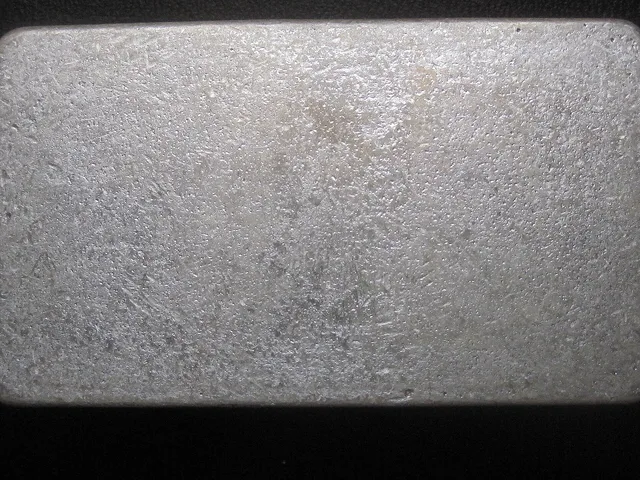
Silver coin
- Metal
- silver
- Fine content
- recorded
- Dimensions
- recorded
- Mint
- recorded
- Packaging
- recorded
- Item price
- recorded
- Payment fee
- recorded
- Shipping
- recorded
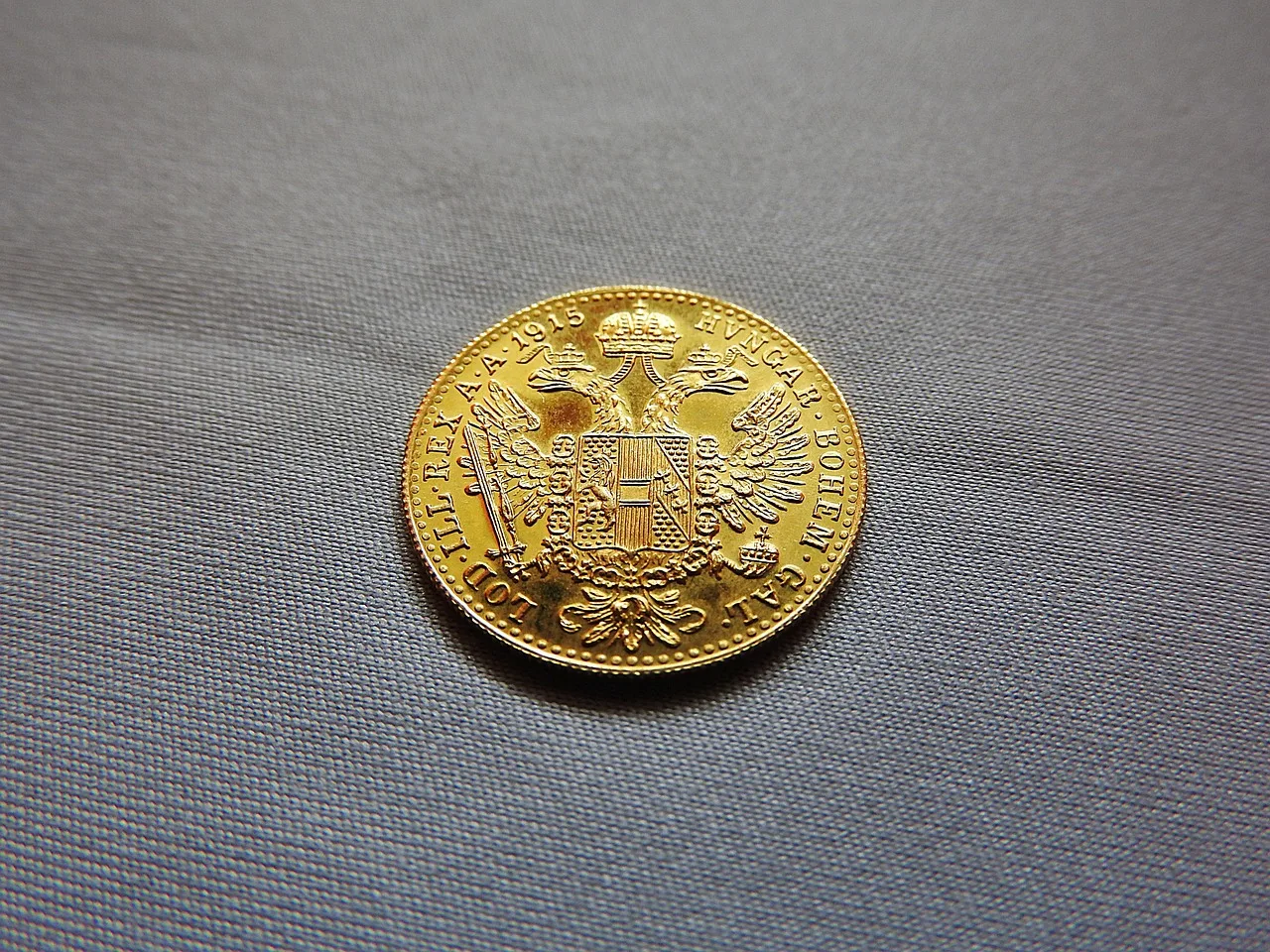
Gold piece
- Metal
- gold
- Fine content
- recorded
- Dimensions
- recorded
- Mint
- recorded
- Packaging
- recorded
- Item price
- recorded
- Payment fee
- recorded
- Shipping
- recorded
The smallest gold piece carried the highest percentage premium. One silver coin had a temporary scarcity premium the dealer's buyback would not return. Jordan bought a modest quantity of the other silver coin: it stayed under his limit and several local dealers quoted it without hesitation.
That was not a bet that silver beats gold. It was a choice for a learning exercise with standardized units and a visible resale market.
Dealer checks shortened the list
One seller showed a low item price, then added a card fee and high shipping late in checkout. Another supplied several details up front: a legal business name, a street address, a written product specification, and insured-delivery terms. That party also supplied a return policy and payment prices stated up front.
Dealer Vetting Checklist
- Legal business name
- Street address
- Written product specification
- Insured-delivery terms
- Return policy
- Payment prices up front
- Independent complaint sources
Jordan checked independent complaint sources and called back through a number he found himself, not one the seller supplied. He saved the product page and quote with a timestamp. The order barred substitution without his written approval.
Payment went to the verified business. The receipt named the coin, date, quantity, and unit price. It also named fees and total.
Receipt was treated as evidence
The package arrived at the agreed address and required a signature. Jordan photographed the sealed carton, the labels, the inner packaging, the invoice, and each piece.
Quantity, design, edge, weight, and dimensions matched the mint specification within the limits of his scale and calipers. He did not scrape, acid-test, or clean anything. Those checks catch some mismatches; they cannot establish composition. Nothing conflicted, so he recorded the results and put the metal away.
Storage and privacy stayed proportional
Jordan did not post the purchase. He asked his insurer how the policy treated bullion and found the standard coverage limit was lower than he assumed. He weighed a home safe, a bank safe-deposit box, and an allocated depository, and chose the one that stayed inside that written limit.
Private Inventory Fields
- Invoice
- Photographs
- Quantity
- Product
- Acquisition cost
- Location code
- Access instructions
The exit test reset his expectations
A month later spot was nearly flat. Jordan requested buy quotes from two dealers. Both came in below his delivered cost. One sat slightly above the metal reference price, the other below it, and shipping a small sale would have cut proceeds again.
The dealers had done nothing wrong. Purchase premium, retail distribution, and resale spread are real costs. Jordan filed the quotes and considered how purchase and resale costs affect his ability to break even, holding everything else constant:
The exit test
| Line | Variable | Jordan's figure |
|---|---|---|
| Item price | P | from invoice |
| Premium and fees | F | from invoice |
| Shipping and insurance | S | from invoice |
| Tax | T | from invoice |
| Delivered cost | P+F+S+T | sum |
| Buyback offer | B | from dealer quote |
| Break-even metal price | B plus costs | solve |
Records included tax questions
Jordan kept basis and sale paperwork rather than assuming small physical trades fall outside the rules. IRS Publication 544 states that gold, silver, gems, stamps, and coins are generally capital assets. The exception is inventory held for sale by a dealer. Classification and gain or loss turn on the facts.
He asked a tax professional how those rules applied to him, and which acquisition and sale costs belonged in the record. He did not take tax advice from the dealer.
What the case shows
The win was not a price gain. It was a bounded transaction with these traits:
- known product
- transparent cost
- vetted dealer
- documented receipt
- realistic storage
- private records
- a tested exit
Jordan's changes for next time: check buyback terms before buying, refuse to pay for temporary retail scarcity, and wait until the order size justifies shipping without breaking his limit.
Common questions
Why did Jordan choose silver?
The units fit a small learning budget and several dealers quoted them readily. It was not a forecast about silver against gold.
Did home measurements prove authenticity?
No. Weight, dimensions, and visual checks are screening only. A conflict would have called for a qualified assayer or XRF lab.
Why ask for a buyback quote before buying?
It shows the current round-trip spread and whether the product has a real resale market. A dealer who will not quote a buyback is telling you something.
Was the purchase profitable?
Not in the example period. The case is about process, evidence, and the duties that come with owning metal, not about return.