Features
Part of Silver bullion guide: coins, rounds, bars, and care
Building and selling a small silver position case
Silver bullion case tracing a fictional 60-ounce position through product choice, delivered premiums, inventory, storage, staged bids, sale costs, and records.
What to take away
- This fictional case follows all cash costs and sale proceeds rather than reporting only the silver price change.
- Combining one-ounce coins with ten-ounce bars creates two sale sizes but two premium and bid structures.
- A private inventory links each lot to acquisition, condition, storage, and sale evidence.
- The metal price can rise while the owner still earns less than a spot-price calculation suggests.
- Tax records should preserve basis and sale details for qualified review.
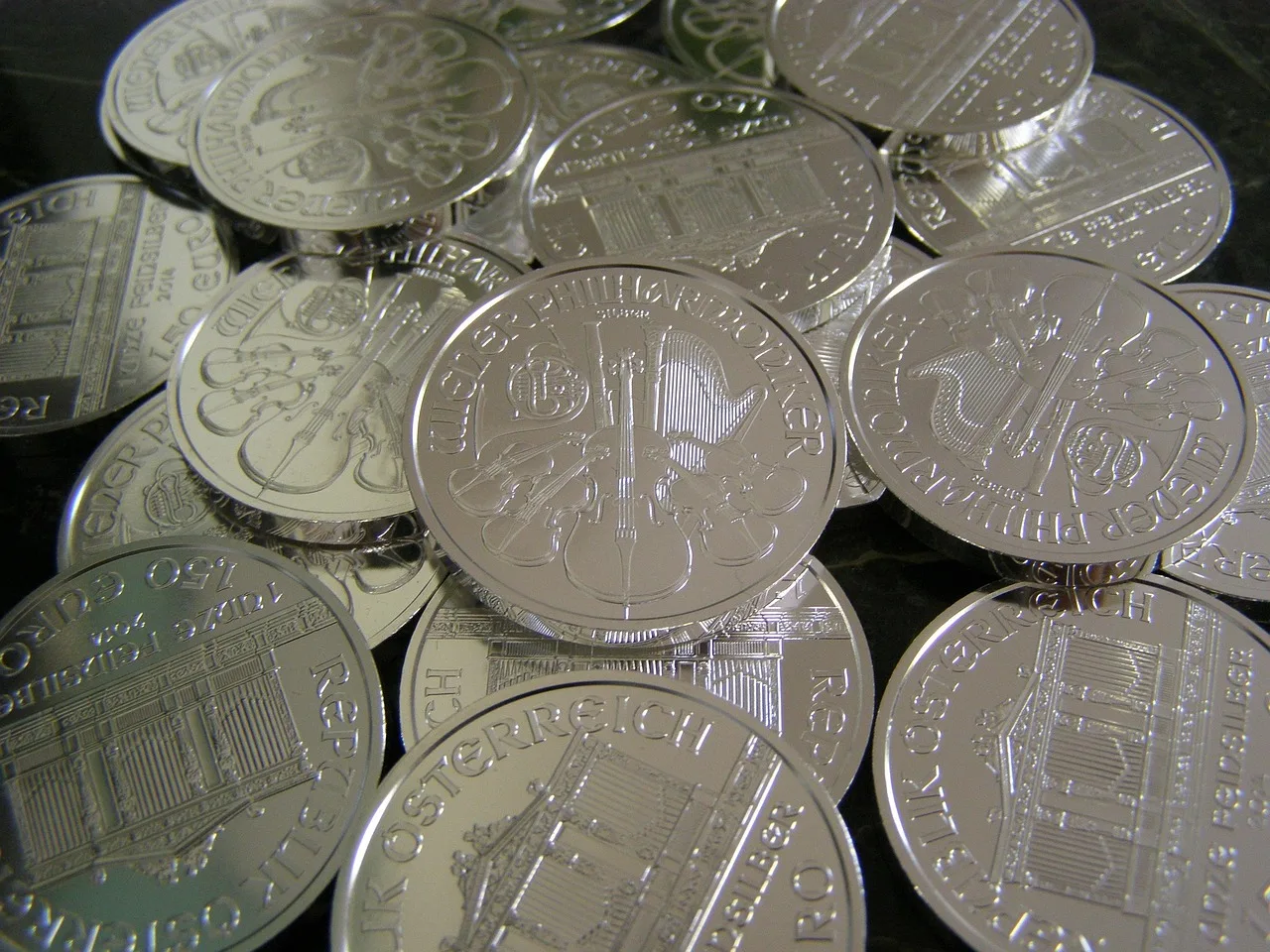
Andre wants physical silver without borrowing and with the option to sell in stages. He sets a 60-fine-ounce target: two tubes totaling 40 one-ounce sovereign bullion coins and two ten-ounce private bars. The prices and dates are fictional.
Define the policy
Andre limits total delivered cost to $2,100. He will use one verified dealer, accept no collectible substitutions, store the silver himself under confirmed insurance terms, and keep six months of household cash outside the metal. He requests current buyback quotes before purchase.
This is a transaction case, not a recommendation. Silver can decline and may be difficult to sell at the expected price.
Calculate acquisition
The fictional spot reference is $28 per fine troy ounce.
Coin vs Bar Acquisition
40 sovereign coins
- Fine ounces
- 40
- Merchandise
- $1,280
- Shipping
- $20
- Delivered cost
- $1,300
- Cost per fine oz
- $32.50
Two ten-ounce bars
- Fine ounces
- 20
- Merchandise
- $600
- Shipping
- $10
- Delivered cost
- $610
- Cost per fine oz
- $30.50
| Lot | Fine ounces | Merchandise | Shipping | Delivered cost | Cost per fine oz |
|---|---|---|---|---|---|
| 40 sovereign coins | 40 | $1,280 | $20 | $1,300 | $32.50 |
| Two ten-ounce bars | 20 | $600 | $10 | $610 | $30.50 |
| Total | 60 | $1,880 | $30 | $1,910 | $31.83 |
The metal reference is $1,680. Andre's delivered premium is $230, or $3.83 per fine ounce. The coins cost more per ounce, but they provide smaller sale units and receive a stronger local bid at that moment.
The CFTC's brochure on risks of buying physical precious metals warns about high-pressure pitches, unclear storage, nonexistent metal, financed purchases, and missing terms. Andre avoids financed and remote-storage offers and requires delivery evidence. The brochure does not verify his chosen dealer or predict his outcome.
Receive and inventory
Andre photographs the unopened box, label, seals, and contents. He reconciles two tubes and two serialized bars against the invoice. His calibrated scale and dimensional checks agree with the product references within the method's limits.
He creates three inventory lines, one for each tube and one combined bar lot, then records:
Inventory Record Checklist
- Product, year, count, gross weight, fine content
- Bar serials and package condition
- Invoice, payment, delivery, photographs
- Delivered cost allocated by lot
- Storage movement and insurance confirmation
- Initial dealer bids and conditions
He keeps the storage map apart from the ordinary ledger and stores a protected backup away from the silver.
Hold without needless intervention
Over four years, several coins develop light toning and two show white spots. Andre photographs the changes but does not polish them. The bars remain in their original plastic. He checks the container load, moisture evidence, inventory parity, and insurance annually.
He does not value the holding by multiplying ounces by an online spot display alone. Once a year, he saves two genuine dealer bids for the exact formats and conditions.
Plan a staged sale
In year five, fictional spot is $35 per ounce. Andre needs $900 for a planned expense and requests written quotes from a local dealer and an insured mail-in buyer.
| Product | Fine oz offered | Gross bid | Sale costs | Net proceeds | Net per fine oz |
|---|---|---|---|---|---|
| 20 sovereign coins | 20 | $730 | $0 | $730 | $36.50 |
| Two ten-ounce bars | 20 | $686 | $18 | $668 | $33.40 |
He sells one 20-coin tube locally for $730 and one ten-ounce bar by itself for a gross $343 less $14 shipping and insurance, netting $329. Total net proceeds are $1,059 from 30 ounces.
The sold coin lot originally cost $650. One bar's allocated delivered cost was $305. The combined allocated acquisition cost was $955, before any fact-specific tax treatment. The cash difference is $104.
Reconcile the remaining holding
Andre now owns 20 coins and one ten-ounce bar, totaling 30 fine ounces. He marks the sold inventory lines with buyer, date, quantity, gross proceeds, fees, net proceeds, payment evidence, and shipment or handoff record. He does not overwrite the original acquisition entries.
His sale price per ounce was not uniform. Product premium, condition, buyer demand, and shipment cost caused the coin and bar outcomes to differ even on the same date.
Prepare the tax file
IRS Topic No. 409 on capital gains and losses explains general US federal concepts such as basis, amount realized, short-term and long-term classification, and reporting. Andre gives invoices, allocated acquisition costs, sale records, and fees to a qualified tax professional. The page does not decide whether every expense is includible or how state rules apply to his facts.
What the case shows
Andre's mixed format made a staged sale possible. It also required separate basis allocation, different bids, more inventory lines, and a shipment for the bar. If he had bought only one 60-ounce unit, he might have paid less per ounce but could not have sold half without changing the product.
Key Case Figures
- $28spot reference per ounce
- $35year-five spot per ounce
- $1,910total delivered cost
- $1,059total net proceeds
The rise from $28 to $35 spot did not translate directly into a $7 gain for every ounce. He paid acquisition premiums and sale costs, while the products received different bids. A complete ledger made that difference visible.
Common questions
Did Andre make a profit because spot rose?
His fictional cash proceeds exceeded allocated purchase cost for the sold lots, but tax outcome and opportunity cost require separate analysis.
Why did he sell both coins and one bar?
The combination met his cash need while preserving one of each format for later. A different bid could support another choice.
Could he have used average cost for all silver?
He preserved lot-level costs and asked a tax professional which identification and basis rules apply. A casual average may not match required reporting.
Was the unsold silver worth spot times 30 ounces?
That is only a metal reference. A realizable value needs current product-specific net bids.