Maintenance
Part of Silver bullion guide: coins, rounds, bars, and care
Silver bullion purchase and condition checklist
Silver bullion purchase checklist covering exact specifications, quote terms, package condition, counts, markings, security, measurements, surfaces, and records.
What to take away
- Match the listing to one exact product, year, finish, quantity, and condition before comparing price.
- Verify fine content, dimensions, edge, security features, and packaging against a product-specific source.
- Record toning, white spots, contact marks, and package damage without attempting immediate cleaning.
- A checklist detects inconsistencies; it does not certify metal composition.
- Quarantine conflicting evidence while return, payment, and carrier remedies remain available.
Use this checklist for ordinary retail silver coins, rounds, and bars. Rare coins, archaeological objects, and professionally graded pieces can require specialist handling.
Before you buy: seller and listing checks
Seller and listing checks
- Record legal business name and contact route
- Save listing with date, time, photos
- Fix product, year, finish, maker, quantity
- State new, secondary, circulated, or random-year
- Identify gross weight, fineness, fine silver
- Save return, cancellation, substitution terms
- Confirm shipping, insurance, signature, loss process
- Legal business name and physical contact route recorded
- Complete listing saved with date, time, and photographs
- Product, year, finish, maker, denomination, and quantity fixed
- New, secondary-market, circulated, or random-year status stated
- Gross weight, fineness, and fine-silver content identified
- Serial and assay-card expectations stated for bars
Quote
Quote verification checklist
- Record spot reference and timestamp
- Match quantity tier to order
- Match payment method to displayed price
- Include tax, shipping, insurance, fees
- Calculate delivered premium per fine troy ounce
- Calculate immediate net exit and round-trip gap
- Compare any collectible upgrade separately
Read the quote as separate line items, not as one price.
Term / What to record
- Spot basis
- The reference price, its timestamp, and the source quoted
- Premium
- Dollars per ounce over spot, per coin or per lot
- Locked price window
- Minutes the quote holds and the result if payment is late
- Payment method
- Card, wire, or check, plus any fee or discount
- Shipping and insurance
- Cost, carrier, signature rule, and who claims a loss
- Buyback spread
- The buyback price against spot, in dollars or percent
Record the return window, cancellation terms, and opened-package rules beside the same quote.
Exact coin specification
Use a source tied to the year and variant, and recompute rather than trust a headline. NIST's precious metals conversion guidance says precious metals priced by weight must be sold in troy weight or SI units, with a troy conversion chart displayed prominently for SI prices.
A listing mixing grams, troy ounces, and a nominal "one ounce" label without that conversion has not said what is being sold. A specification from one year should not be assigned to another date without its own evidence.
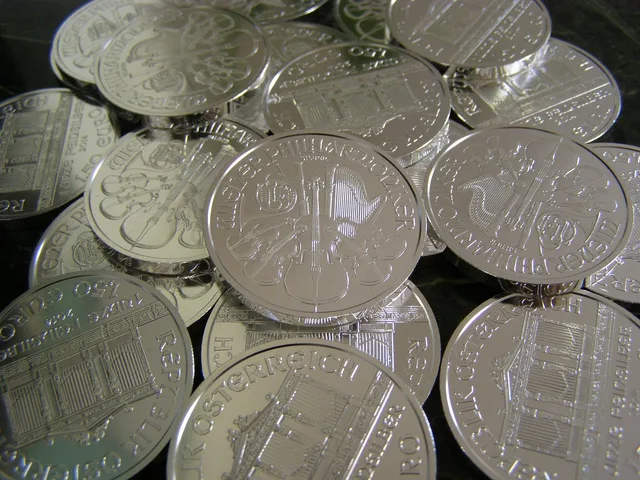
- Correct obverse, reverse, portrait, inscriptions, and date
- Correct diameter, weight, edge, and denomination
- Security mark and radial pattern match the year
- Capsule, tube, or seal is consistent with the listing
- Proof, bullion, and collector finishes are not confused
Photograph the coin at several lighting angles before judging fine lines or surface fields. Compare like with like: the correct date, portrait, finish, and packaging state. A stock image can identify a catalog product but cannot document the condition or identity of the piece delivered to the buyer.
Exact bar specification
Bar dimensions and packaging depend on maker and product, and a description is not neutral. Section 1 of the UK's Hallmarking Act 1973 governs descriptions in UK trade and does not bind a US sale.
In the United States, the FTC Jewelry, Precious Metals, and Pewter Industries guides at 16 CFR Part 23 set the terms for marking and advertising silver, so a fineness claim must be accurate. Imported bullion must carry a country-of-origin mark under 19 U.S.C. 1304, enforced by CBP under 19 CFR Part 134.
Read a bar's stated fineness as a claim its maker is answerable for, and as evidence about that named bar, not a template for every ten-ounce bar.
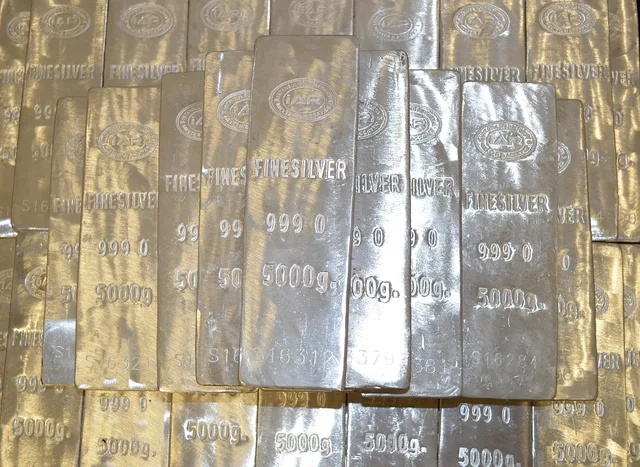
- Maker and product line match
- Minted or cast construction identified
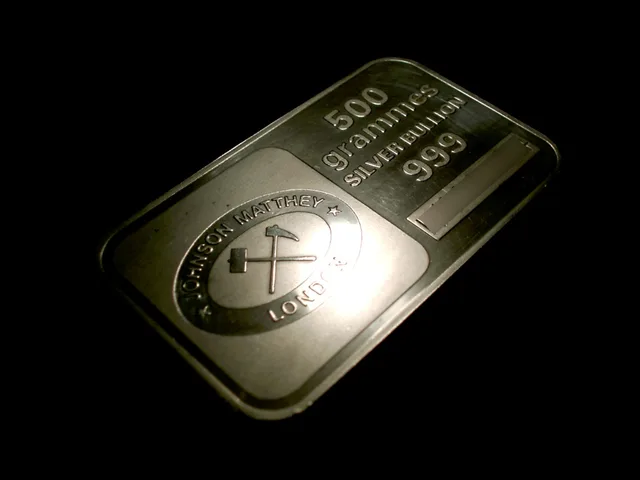
- Hallmark, weight, fineness, and design present
- Dimensions compared with correct tolerances, if published
- Serial matches card, invoice, and listing where applicable
- Film or assay package has no unexplained cut, gap, or reseal
Receiving package
- All six sides photographed before opening
- Label, tracking, seal, and receipt time preserved
- Dents, cuts, wet areas, rattling, and weight concerns recorded
- Opening documented continuously when appropriate
- Shipping materials retained through acceptance
- Missing or damaged contents reported promptly in writing
Count and identity
- Number of sealed tubes, bags, cards, and loose pieces reconciled
- Tube counts confirmed under a documented policy
- Mixed dates, designs, or makers separated
- Base-metal or plated items excluded from historical-coin lots
- Potential collectible dates isolated for specialist review
- Every serialized bar logged individually
Non-destructive condition review
- Surfaces viewed under diffuse and angled light
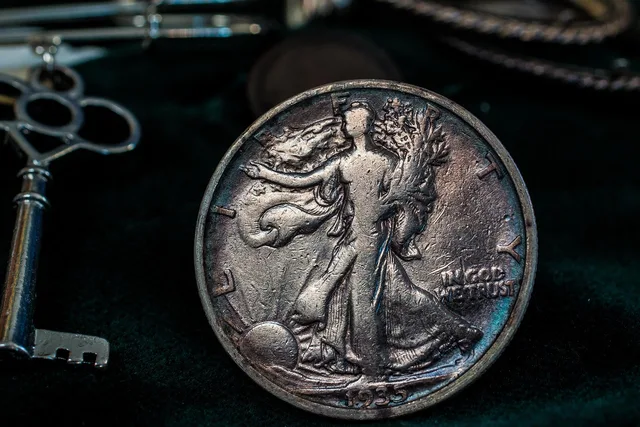
- Toning color and extent recorded
- White spots mapped in photographs
- Scratches, dents, rim marks, and edge damage distinguished
- Capsule or film damage separated from item damage
- No wiping, dipping, polishing, or abrasive test performed
Surface condition may change premium or grade without determining fine content. A spotted coin can be genuine; a bright coin can be false.
Measurement and screening
- Scale zero and calibration checked
- Weight recorded with unit and resolution
- Diameter, length, width, and thickness measured consistently
- Unexpected result repeated after method review
- Packaging mass not compared with a bare-item specification
- Qualified testing requested when evidence conflicts
Magnet response, acoustic behavior, density, conductivity, X-ray fluorescence, and ultrasound each have limits. Geometry, surface layer, packaging, calibration, and operator method can affect results. Do not treat one passing screen as conclusive.
Worked example: one 1 oz American Silver Eagle
The listing named 1 oz, .999 fine silver, 40.6 mm diameter, 2.98 mm thickness, reeded edge, and one dollar face value.
On arrival the piece weighed 31.10 g on a scale reading to 0.01 g, measured 40.62 mm across and 2.97 mm thick, and sat in an unopened capsule.
Example quote figures: $4.00 over a $30.00 spot basis, locked for 10 minutes, card payment, $12.00 shipping and insurance, buyback 4 percent under spot.
Weight, diameter, and thickness sit inside the published specification, so the geometry screen passes. Delivered cost came to $46.00. A buyback at 4 percent under a $30.00 spot returns about $28.80 an ounce. File the photos, invoice, and return deadline.
Storage and file closure
- Stable holder and weight-rated container prepared
- Moisture, sulfur-emitting materials, and abrasion controlled
- Insurance wording and limits confirmed
- Invoice, payment, shipment, photos, and measurements archived
- Private inventory and storage movement updated
- Return, replacement, acceptance, or escalation status recorded
Keep one row per item.
Field / What to store
- Invoice
- Seller, date, item, price, and payment reference
- Serial
- Bar serial, assay card number, or none for a coin
- Weight
- Reading, unit, resolution, and date taken
- Photos
- Listing, all six package sides, item at two light angles
- Deadlines
- Return window, carrier claim date, and card dispute date
Common questions
Is white spotting proof that a silver coin is damaged?
It is a surface condition that can affect appearance and market price. It does not by itself determine fine content or authenticity.
Should a cast silver bar have perfectly uniform dimensions?
Not necessarily. Compare it with the maker's published construction and tolerances, not the expectations for a minted bar.
Can I weigh a sealed bar against a bare-bar specification?
No. Packaging adds mass. Use a package-level reference or a verification method that accounts for the enclosure.
What if the listing and invoice describe different years?
Pause acceptance, preserve evidence and deadlines, and ask the seller for a written remedy before altering the product.
What are the return or claim deadlines?
They depend on the seller's terms and the carrier's rules. Record the return window, the carrier claim date, and the card dispute date on the day the package arrives, then act before the earliest one. A billing error dispute under the Fair Credit Billing Act generally must be raised in writing within 60 days of the statement.