Rules
Part of Silver bullion guide: coins, rounds, bars, and care
Silver toning, milk spots, weight, and packaging problems
Silver bullion problems come from tarnish, milk spots, wrong counts, and heavy storage. Each has a check that settles it before you clean or sell.
What to take away
- Silver bullion problems fall into four groupstoning and tarnish, milk spots, weight or count gaps, and packaging that fails. Each one has a check that settles it before you clean or sell.
- Toning, milk spots, and fingerprints have separate causes and separate responses. Never apply one cleaning method to all three.
- A sound product spec states fine silver content. Surface color does not change that number, but it can change the premium.
- Most weight disputes trace to unit confusion, packaging, alloy, wear, count, or an uncalibrated scale before they trace to a fake.
- A full box of silver can exceed a shelf, drawer, or safe rating long before it looks full.
- Photograph and record before you touch the surface. Cleaning is the one step you cannot undo.
Silver bullion problems show on the surface. It tarnishes, it spots, and a modest stack gets heavy fast. Old coins add alloy and wear to every calculation.
Dark or rainbow toning
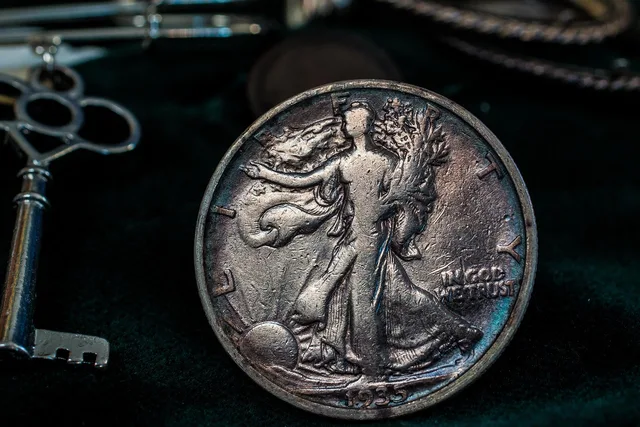
Silver reacts with sulfur compounds in air. Thin films show gold, blue, purple, gray, or black. Humidity and airborne pollutants set the rate.
USGS material data on silver's physical and chemical properties describes silver as resistant to oxidation while noting it tarnishes through atmospheric sulfur. That explains the mechanism. It does not diagnose a mark from a photograph.
What to do
Photograph the piece under the same light each time. Check the storage materials around it and look for moisture or sulfur sources. Ask buyers how the color affects their bid before you decide anything.
Do not polish until you know whether surface originality, grade, or return rights matter. If the color keeps spreading, move the piece to a known stable holder. That usually beats trying to restore a bright finish.
Whether a patina is natural or artificial is a grading judgment, not a photographic one. PCGS and NGC, the two largest third-party grading services in the United States, evaluate surface originality as part of a grade, and that evaluation is what a buyer ends up pricing.
White spots
Opaque white marks on modern silver bullion coins are called milk spots. They can appear after purchase, and sometimes after encapsulation. They are not sulfur tarnish.
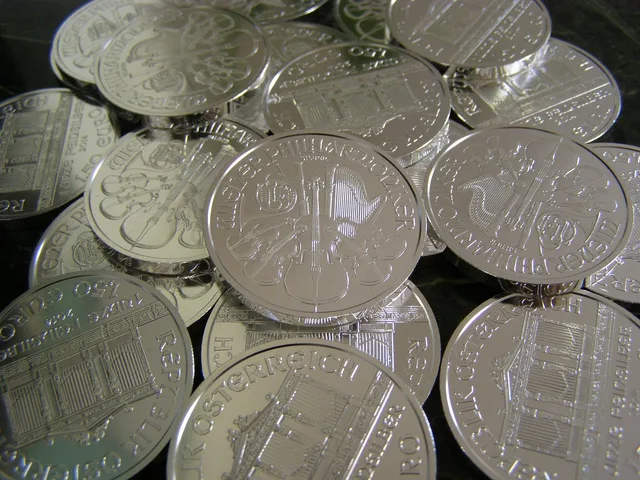
The Royal Canadian Mint states its MINTSHIELD surface treatment is applied to Silver Maple Leaf coins dated 2018 and later to reduce white spots. The mint also states the spots do not change precious-metal content, though they change appearance. That claim covers that mint's treated range only. Milk spots turn up on American Silver Eagles from the U.S. Mint as well, and that mint has no branded anti-spot treatment comparable to MINTSHIELD, so on an Eagle it is the seller's policy and the grading services' policies that govern.
What to do
Record the coin year, the package, and the spot pattern. Read the seller, grading, and mint policies before assuming a remedy exists. The major grading services — PCGS, NGC, and ANACS — publish their own grading and guarantee policies, and those policies decide whether a spotted coin can be submitted at all. Skip erasers, abrasives, dips, and household paste. Get a real bid for the spotted condition before paying anyone to fix it.
Fingerprints and wipe marks
Skin oils and salts mark polished silver. Wiping adds hairlines, and hairlines cost a collector more than the print did.
What to do
Stop touching the surface. Hold coins by the edge in clean gloves when you must. Separate capsule damage from coin damage, then get conservation advice if the piece has numismatic value: the established conservation services are NCS (Numismatic Conservation Services) and PCGS Restoration.
A tube that comes up short
A sealed-looking tube can hold the wrong count, mixed products, spacers, or a broken seal. Weight alone will not settle it while capsule, tube, and coin tolerances are unknown.
What to do
Record the tube before opening it. Compare the label against the seal. Follow the seller's count and inspection procedure, and film the opening in one continuous take.
Keep every piece and every scrap of packing. Report the numeric discrepancy in writing to the seller first — count, weight in grams, and photos — and use the carrier's claim process if the package shipped, since USPS, UPS, and FedEx each publish one. A mailed shipment that was misrepresented can also go to the U.S. Postal Inspection Service as mail fraud. An unsupported accusation ends the conversation faster than a number does.
A bar that weighs wrong
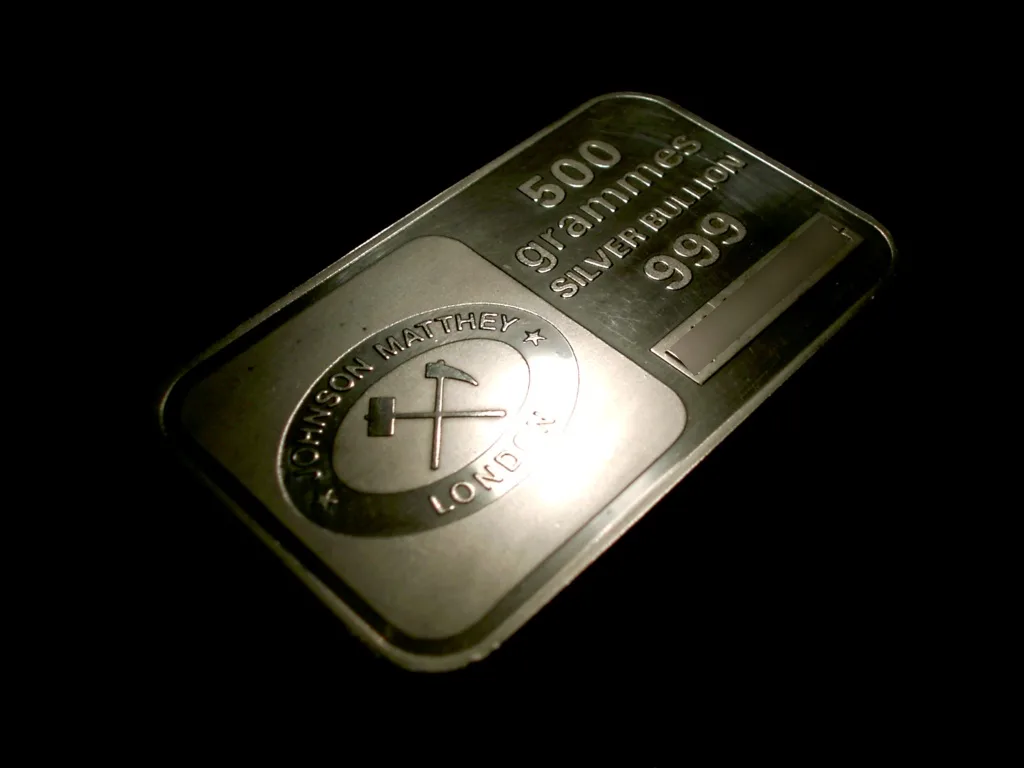
Five explanations beat counterfeit in frequency: the scale reads avoirdupois ounces, the item is still packaged, a cast bar carries a stated tolerance, the listing confuses gross with fine weight, or the count is off.
The unit error is the easiest one to test. Troy weight is the system for precious metals: one troy ounce is 31.1035 grams, or 480 grains. An avoirdupois ounce, the one on a kitchen or postal scale, is 28.3495 grams. A one-ounce silver coin or round should read near 31.10 grams on a gram scale; a reading near 28.35 grams means the scale is set to the wrong ounce.
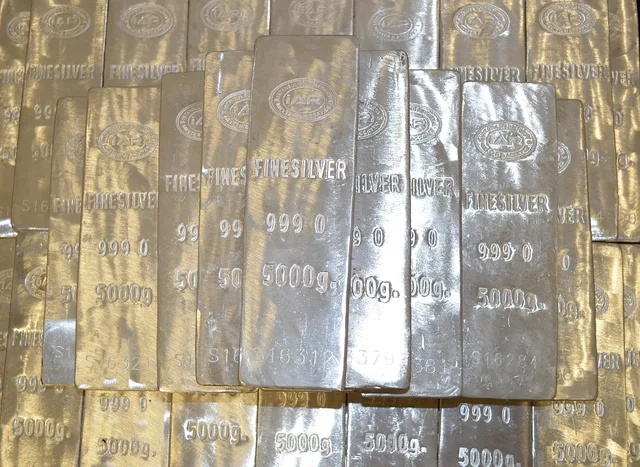
Know the nominal figure before you weigh. A 1 oz Silver Eagle and a 1 oz Silver Maple Leaf each contain one troy ounce of fine silver, and a 100 oz cast bar contains 100 troy ounces. The producer's spec sheet gives the weight, the fineness, and any tolerance the bar is allowed: a cast bar is not machined to a coin's precision, so a stated tolerance is normal, and the spec sheet, not the scale alone, sets the pass-or-fail line.
What to do
Confirm the unit, the scale's calibration and resolution, the packaging state, the fineness, and the producer spec. Weigh again without altering the bar. If the conflict holds, quarantine it and send it for multi-method examination by a qualified assayer: X-ray fluorescence (XRF) for elemental composition, a specific gravity test for density, and an ultrasonic thickness gauge for a hollow or plated core.
An old-coin bag with unclear content
Bags sold by face value mix denominations, years, countries, and base-metal dates. They also include heavy wear and the occasional collectible. A single multiplier hides the real fine content.
What to do
Sort by country, denomination, date range, and composition. Count face value and gross weight as two separate numbers. Use official composition references, pull questionable dates, and get specialist review before any melt sale.
A storage box past its rating
Silver reaches a shelf, drawer, safe, or lifting limit before the container looks full. A failed shelf damages product, equipment, and people.
What to do
Add up gross load including tubes and box. Check the rating on every supporting part, not just the shelf. Split the holdings into labeled modules you can lift, and move them on a plan that does not advertise the inventory.
Packaging that breaks down
Cracked capsules let coins move. Flexible PVC — the clear plastic in many old flips and sleeves — breaks down and leaves a green or sticky residue that etches the surface, while polyethylene and Mylar (polyester) hold up. Old labels and tape detach, and rubber bands and unknown foam release compounds you cannot identify.
What to do
Photograph the original state and the product identity first. Move ordinary bullion into known stable materials — inert capsules, polyethylene tubes, or Mylar flips — without rubbing the surface. For sealed mint or assay packaging, ask how opening affects the return and the bid before you break it.
When a buyer discounts every mark
A dealer may quote a generic damaged deduction without saying whether it hits the metal, the product premium, the grade, or the processing.
What to do
Ask for a written bid per fine ounce and the condition rule behind it. Get competing quotes on the same lot. Sell bullion and collector pieces as separate lots so one condition policy does not govern the whole sale.
Worked example: reading a discount
Say a lot holds 100 troy ounces of fine silver and spot is S dollars per ounce. Dealer A bids 0.97 x S with no condition rule. Dealer B bids 0.94 x S but applies it only to the 20 ounces with visible spotting, paying 0.99 x S on the rest.
Dealer B's blended bid is (20 x 0.94 + 80 x 0.99) / 100 x S, or 0.98 x S. The lower headline number pays more here. Substitute your own spot, weights, and quoted factors to compare any two bids the same way.
Common questions
Should toned bullion be polished before sale?
Not before you hold condition-specific bids. Cleaning permanently changes the surface and can cut value. Let the buyer price the toning first, then decide.
Do milk spots mean a coin has less silver?
The spots alone do not establish a loss of fine content. They can still reduce the premium a buyer will pay. Check the mint's own statement for the treated product range.
Can packaging weight explain a scale difference?
No, it is one variable among several. Use the correct bare or packaged spec, a calibrated instrument, and further examination if the gap remains.
Is a face-value bag count enough for old coins?
Not when composition, dates, denomination mix, wear, or authenticity are uncertain. Record and screen the contents before you agree to a price.