




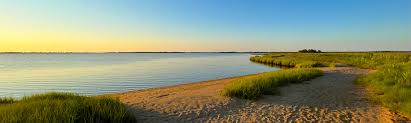
Plum Island Southold NY 11957 is one of the most fascinating and least accessible places along the Long Island Sound. Located just off the eastern tip of Long Island’s North Fork, this small yet historically rich island has long captured the curiosity of locals, historians, environmentalists, and travelers. Though rarely visited, Plum Island holds an outsized presence in conversations about history, science, and conservation.
Despite its quiet appearance from the shoreline, Plum Island carries centuries of significance. From early settlement days to military defense, scientific research, and ecological preservation, the island has continuously played an important role in the region’s story. This article takes a deep look at Plum Island’s past, natural environment, location, and why it continues to matter today.
Where Is Plum Island Located?
Plum Island is situated just east of Orient Point, directly across the narrow waters of Long Island Sound from Southold, New York 11957. Measuring roughly three miles long and one mile wide, the island sits between Long Island and Fishers Island, forming part of a strategic maritime corridor.
Its location places it within Suffolk County, although it has remained under federal control for most of its modern history. From nearby beaches and ferry routes, Plum Island is clearly visible, especially on clear days when the island’s lighthouse and buildings can be seen from the shore.
Early History of Plum Island
Long before European settlers arrived, Indigenous peoples recognized the island’s natural resources. The surrounding waters provided abundant fishing opportunities, while the land supported seasonal use for hunting and gathering.
In the early colonial period, European explorers and settlers named the island after the wild beach plum shrubs that grew across its landscape. Throughout the 1600s and 1700s, Plum Island changed hands multiple times, often used for farming, livestock grazing, and maritime navigation support.
While never densely settled, the island was valued for its strategic position and access to important waterways.
Military Importance and Fort Terry
Plum Island’s role shifted dramatically in the late 19th century when the United States government recognized its strategic military value. In the years leading up to the Spanish-American War, the island was acquired for national defense purposes.
Fort Terry was constructed to protect New York Harbor and the eastern approaches to Long Island Sound. The fort included artillery batteries, barracks, and support buildings, making Plum Island a critical component of coastal defense during both World War I and World War II.
Although the fort was eventually decommissioned, remnants of military structures still remain on the island today. These aging buildings are a reminder of the island’s role in protecting the nation during periods of global conflict.
Scientific Research and Restricted Access
One of the most defining chapters in Plum Island’s history began in the mid-20th century with the establishment of a federal animal disease research facility. The island was selected due to its isolation, which provided a natural barrier against accidental disease spread.
The research center focused on studying highly contagious livestock diseases that could pose serious risks to agriculture and food security. Strict biosecurity measures were put in place, and public access to the island became highly restricted.
For decades, Plum Island operated under intense security protocols. While this secrecy sparked speculation and rumors, the island’s primary purpose remained grounded in disease prevention and national agricultural safety.
Wildlife and Natural Environment
Because human activity on Plum Island has been limited for many years, its natural environment has remained largely undisturbed. This has allowed diverse ecosystems to flourish, making the island an important ecological area.
Birdlife and Migration
Plum Island lies along a major migratory route for birds traveling along the Atlantic coast. Its beaches, grasslands, and wetlands provide ideal nesting and resting habitats for hundreds of bird species throughout the year.
Several rare and protected birds rely on the island during migration seasons. This makes Plum Island especially valuable from a conservation perspective.
Marine and Coastal Life
The waters surrounding Plum Island are rich with marine life. Strong currents and nutrient-dense waters support fish populations that attract seals and other marine mammals, particularly during colder months.
The combination of rocky shorelines, sandy beaches, and tidal marshes creates a balanced coastal ecosystem that supports both land and sea species.
Plum Island Lighthouse
One of the most recognizable landmarks on Plum Island is its historic lighthouse. Constructed in the 19th century, the lighthouse once guided ships safely through the busy and often dangerous waters of Long Island Sound.
Although the light itself is no longer active, the structure remains standing as a symbol of maritime history. From a distance, it continues to be a familiar sight for boaters and shoreline visitors.
Why Plum Island Remains Closed to the Public
Public access to Plum Island has been restricted for much of the last century. Safety concerns, federal oversight, and the presence of sensitive facilities have all contributed to limited entry.
While occasional official visits and maintenance operations take place, the general public is not permitted to explore the island freely. This restricted access has helped preserve both historical structures and natural habitats but has also added to the island’s mystery.
The Future of Plum Island
In recent years, discussions about Plum Island’s future have gained momentum. With plans to relocate the research facility’s operations, many local residents and environmental groups have advocated for preserving the island as a protected area.
Proposals have included turning Plum Island into a wildlife refuge, conservation area, or limited-access educational site. These ideas aim to protect the island’s ecosystems while honoring its historical legacy.
While final decisions are still evolving, there is growing recognition that Plum Island should be preserved rather than developed.
Cultural and Local Significance
For residents of Southold and the surrounding North Fork communities, Plum Island is a constant presence on the horizon. It represents a blend of mystery, history, and natural beauty.
The island has been referenced in local stories, photography, and maritime traditions. Its visible yet unreachable nature makes it a unique landmark that continues to inspire curiosity and respect.
Why Plum Island Southold NY 11957 Matters
Plum Island is more than just a geographic location. It represents the intersection of national security, scientific advancement, environmental preservation, and regional history.
Its story reflects how land can serve multiple purposes across generations, adapting to the needs of the time while retaining its core identity.
As conversations about conservation and responsible land use continue, Plum Island stands as a powerful example of why preservation matters.
Final Thoughts
Plum Island Southold NY 11957 remains one of Long Island’s most intriguing places. Though largely inaccessible, its impact is undeniable. From early settlement and military defense to scientific research and wildlife conservation, the island’s legacy is deeply woven into the region’s past and future.
Whether viewed from a nearby shoreline or studied through historical records, Plum Island continues to capture attention. Its quiet presence reminds us that some of the most important places are those carefully protected and thoughtfully preserved.
Frequently Asked Questions (FAQs)
Is Plum Island open to visitors?
No, Plum Island is not open to the general public due to long-standing federal restrictions and safety considerations.
Why is Plum Island important?
Plum Island is important because of its historical military role, scientific research significance, and well-preserved natural ecosystems.
Can Plum Island be seen from Southold?
Yes, Plum Island is visible from areas near Orient Point and other parts of Southold on clear days.
What kind of wildlife lives on Plum Island?
The island supports migratory birds, seals, fish, and various coastal species due to limited human activity.
What is planned for Plum Island’s future?
There are ongoing discussions about preserving Plum Island as a protected conservation and historical site once current federal operations conclude.